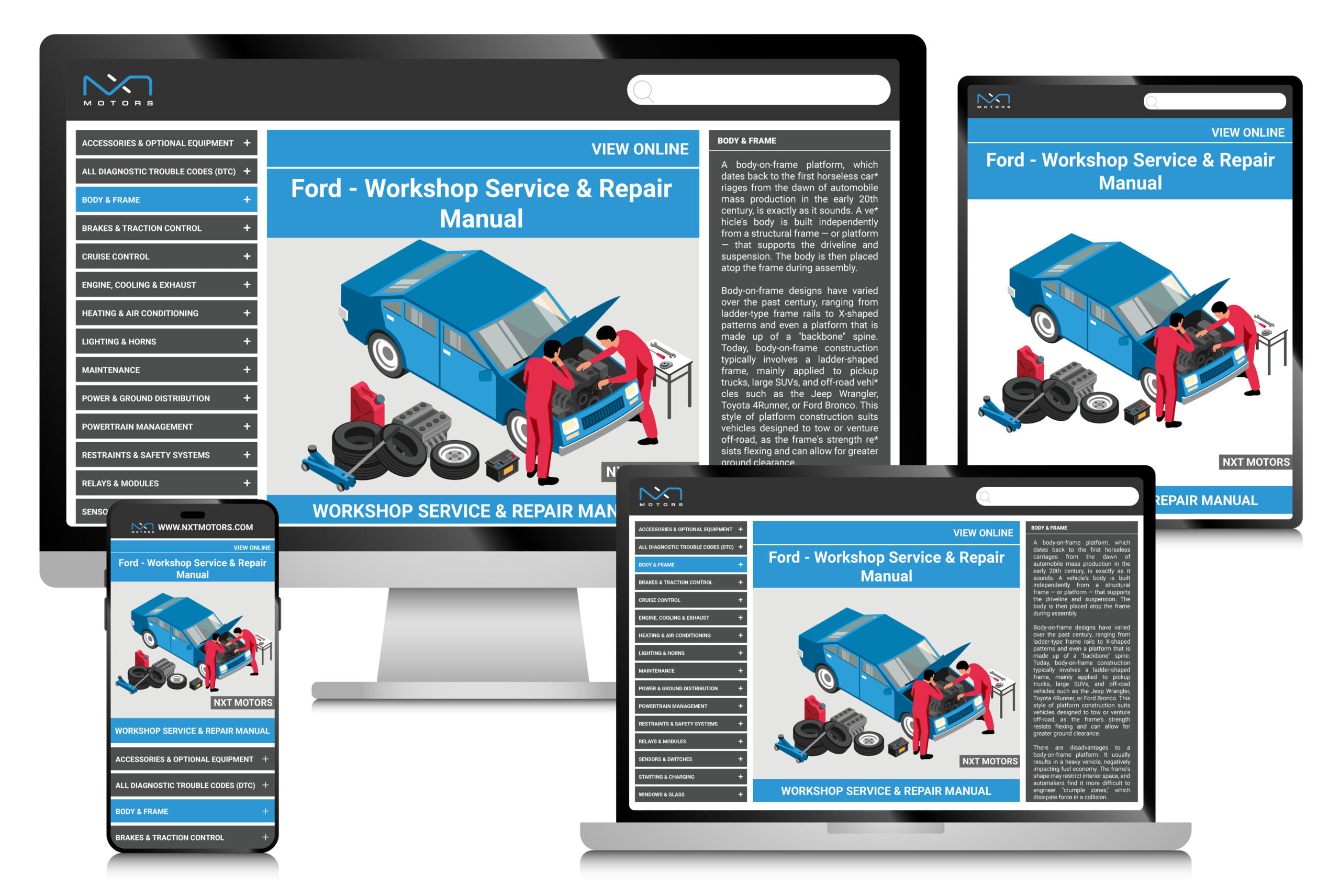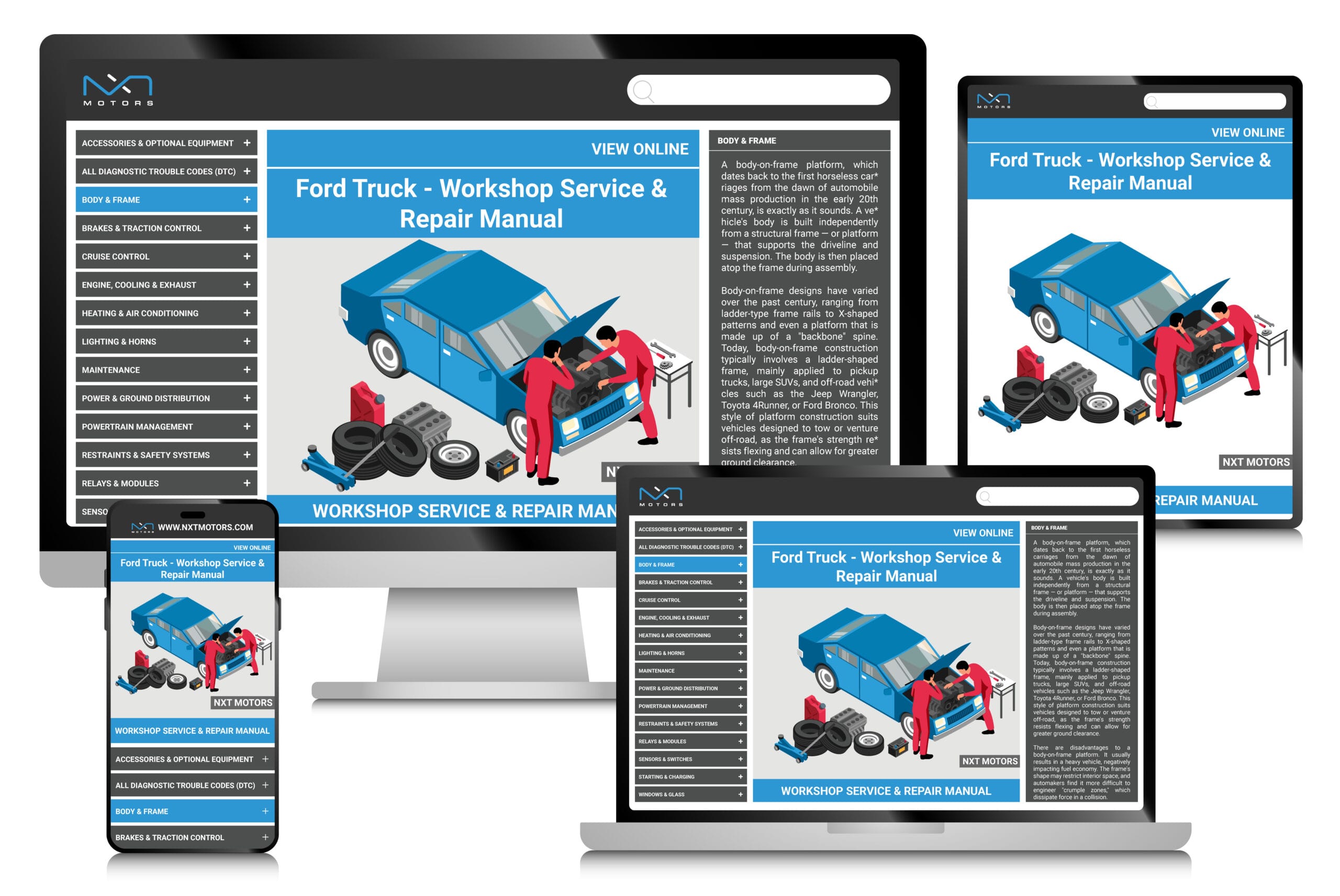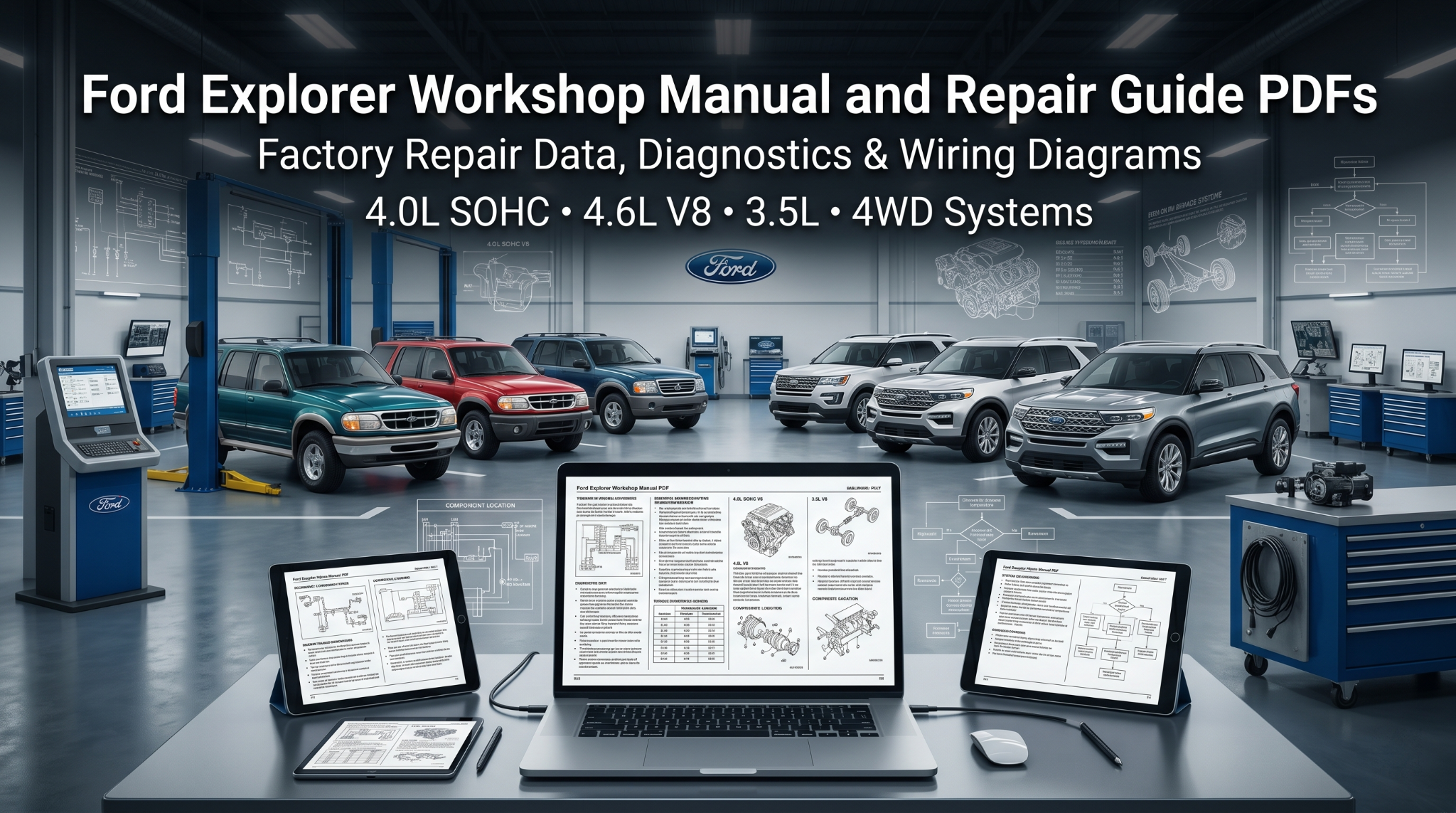
A Ford Explorer workshop manual is one of the most useful resources for owners, mechanics, and DIY repairers who want accurate repair information for the Explorer SUV.
Whether you are maintaining a 1995–2000 Ford Explorer 4.0L SOHC V6, diagnosing a 4WD fault, checking a wiring problem, or servicing a later 3.5L or 4.6L model, the right Explorer repair manual gives you step-by-step procedures instead of guesswork.
Finding the Right Ford Explorer Manual for Your Vehicle
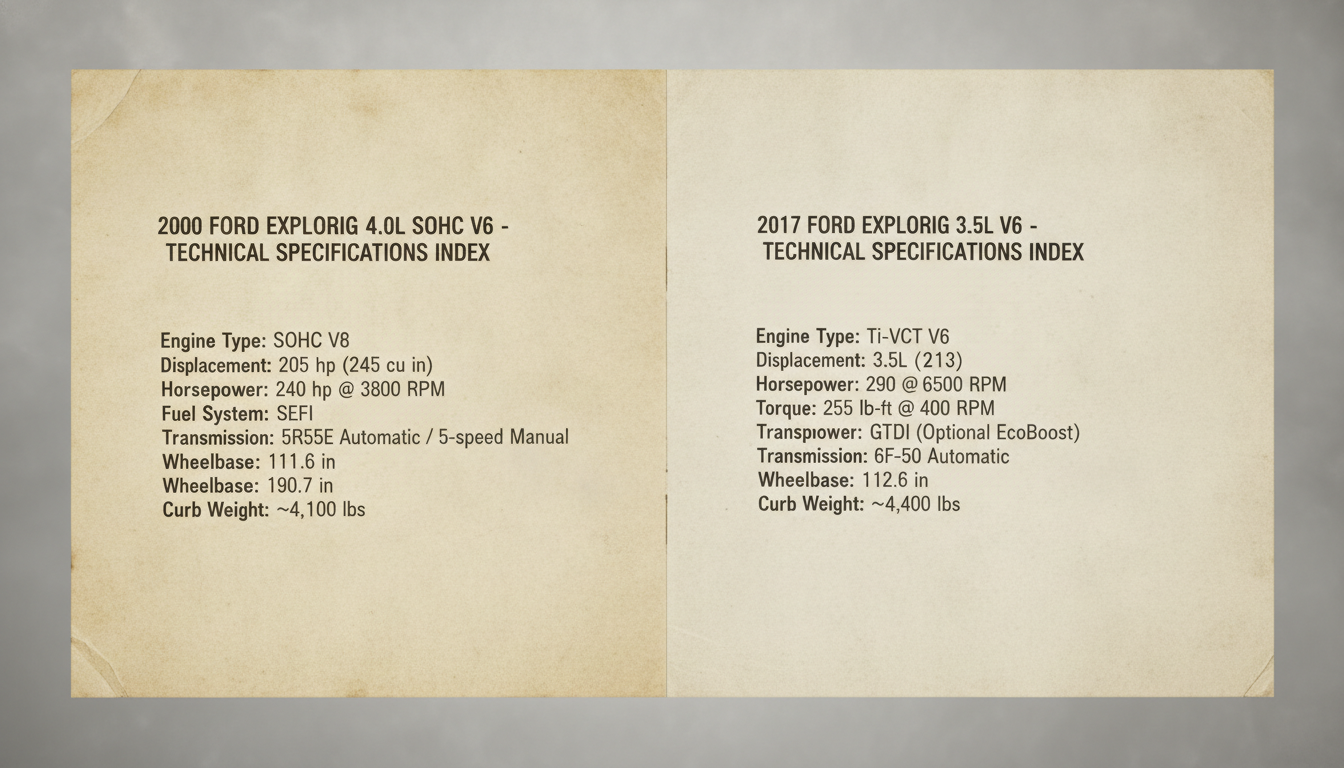
Before choosing a manual, match it to your model year, engine, trim, drivetrain, and transmission. Ford Explorer manuals can vary by generation, especially between early 1990s models, second-generation 1995–2001 SUVs, 2002–2005 XLT and Limited models, and later versions such as the 2008 4.6L and 2017 3.5L Explorer.
For example, a 2000 Ford Explorer 4.0L SOHC V6 workshop service repair manual is best suited for owners working on the SOHC V6 engine, timing components, cooling system, fuel injection, ignition, drivetrain, and electrical systems for that specific year and engine setup.
A 4.6L V8, Limited trim, or later 3.5L Explorer will require a different manual because the engine layout, wiring, diagnostics, and service procedures differ.
| Explorer Manual Type |
Best For |
Practical Use |
| 1992–1994 Explorer repair manual |
Early Explorer maintenance and repairs |
Useful for basic servicing, suspension, brakes, engine checks, and body repairs |
| 1995–2000 4.0L SOHC V6 manual |
Common second-generation Explorer work |
Helps with engine service, timing chain checks, sensors, cooling, and drivability |
| XL, XLT, Limited 4WD manuals |
Trim and drivetrain-specific repairs |
Covers transfer case, front axle, 4WD controls, interior equipment, and wiring |
| Automatic and 5-speed manuals |
Transmission-specific repairs |
Useful for clutch, gearbox, automatic transmission, shift linkage, and fluid service |
| 4.6L V8 Explorer manuals |
V8 service and repair |
Covers engine, cooling, charging, exhaust, fuel system, and driveline procedures |
| 2017 3.5L Explorer manual |
Modern diagnostics and service |
Helps with electronic systems, engine repairs, brakes, suspension, and module-based troubleshooting |
What Is Included in a Ford Explorer Workshop or Repair Manual?
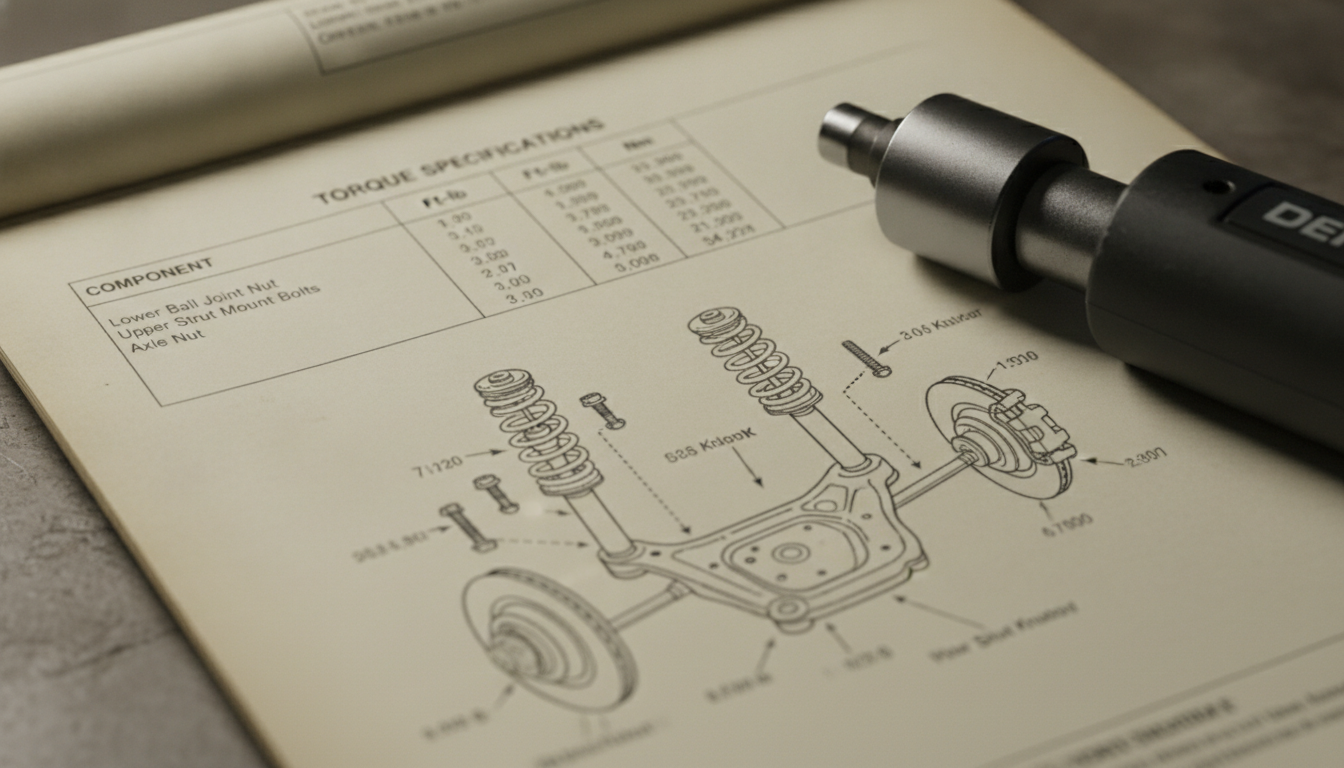
A good Ford Explorer service manual PDF is more than a basic owner’s handbook. It is designed to help with real repair work, inspection, testing, and component replacement. Depending on the exact product, the manual may include:
- Engine repair procedures for 4.0L V6, 4.0L SOHC V6, 4.6L V8, and 3.5L engines
- Torque specifications for engine, suspension, brake, steering, and drivetrain components
- Cooling system service, thermostat replacement, radiator work, fan checks, and water pump access
- Fuel injection and ignition diagnostics for misfires, rough idle, hard starting, and poor performance
- Transmission and transfer case service for automatic, 5-speed, 2WD, and 4WD models
- Brake repair information, including pads, rotors, calipers, parking brake, ABS checks, and hydraulic service
- Suspension and steering procedures for ball joints, control arms, shocks, wheel bearings, and alignment-related work
- Body and interior repair guidance for trim panels, doors, latches, seats, dashboard parts, and exterior fittings
- Electrical testing information, wiring diagrams, connector views, fuse locations, relays, and module troubleshooting
If you own an early second-generation model, the 1995 Ford Explorer workshop service repair manual is a practical starting point for factory-style repair instructions covering routine maintenance, drivetrain checks, brakes, suspension, and common aging-vehicle repairs.
Common Ford Explorer Repairs and Problems Covered
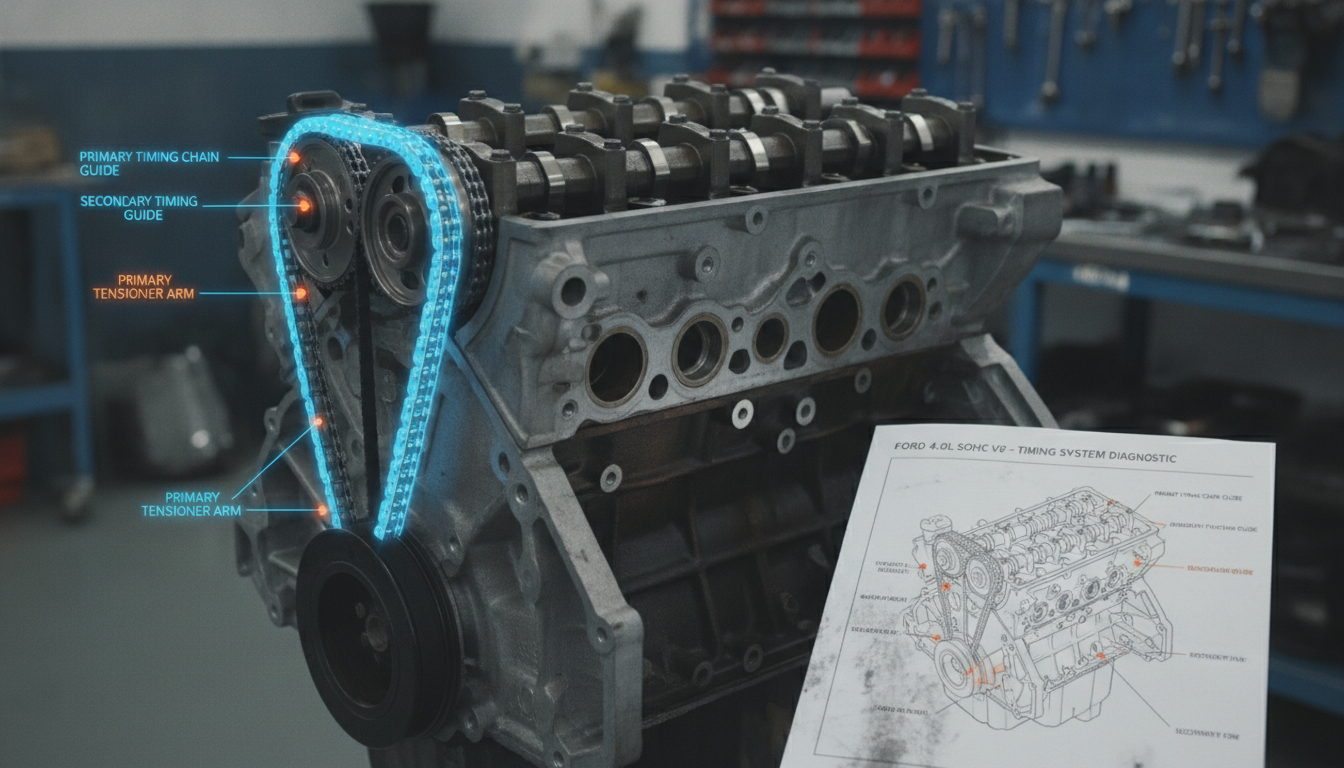
Explorer owners often look for manuals for practical repairs rather than simple maintenance. Common topics include timing chain noise, rough idle, engine misfires, coolant leaks, transmission slipping or harsh shifting, rear differential noise, 4WD engagement problems, brake vibration, suspension wear, and electrical faults.
The 4.0L SOHC V6 is especially known among owners for timing chain guide and tensioner concerns. A manual helps identify related components, required disassembly, timing marks, lubrication points, and reassembly steps. It also helps prevent mistakes during jobs involving the valve covers, intake system, front cover, sensors, or cooling system.
For 2002–2005 models, owners commonly search for help with automatic transmission service, rear axle noise, 4WD operation, HVAC blend door problems, wheel bearing replacement, ABS warning lights, and driveline vibration. For V8 owners, a 2003 Ford Explorer XLT 4WD 4.6L automatic workshop manual is more relevant than a V6 manual, as the engine, exhaust, cooling, and transmission service details differ.
Wiring Diagrams and Electrical Troubleshooting
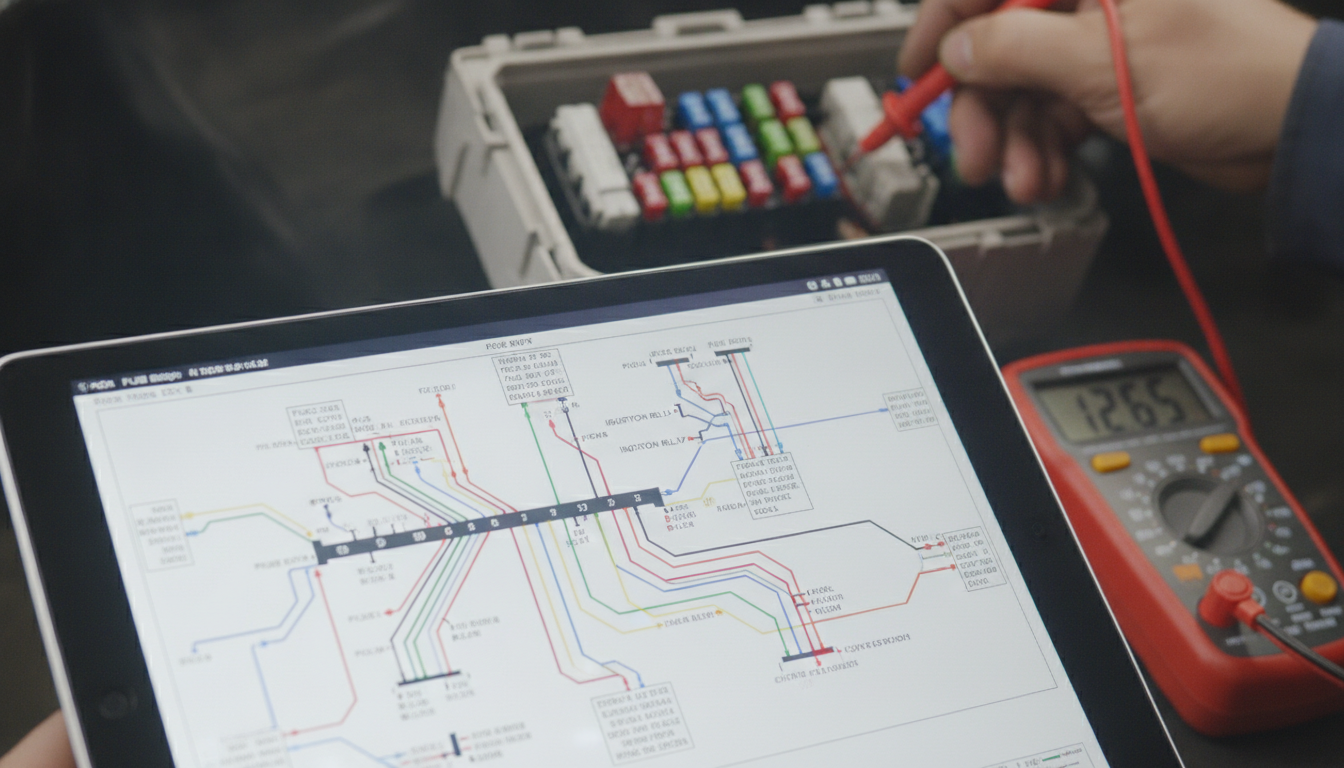
A Ford Explorer wiring diagram is essential when electrical problems are intermittent or affect several systems at once. Older Explorers can develop issues with corroded connectors, damaged wiring, weak grounds, worn switches, relay faults, charging problems, and fuse box concerns. Later models add more modules and sensors, making accurate diagrams even more important.
Workshop manuals can help trace circuits for:
- No-start and charging faults
- Power windows, locks, mirrors, and seat circuits
- Headlights, brake lights, indicators, and interior lighting
- Fuel pump relay and ignition circuits
- ABS, airbag, and warning light diagnosis
- 4WD switch, transfer case motor, and drivetrain control wiring
- HVAC blower motor, blend door actuator, and climate control circuits
Using the correct Explorer factory service manual helps you follow wiring colors, connector pinouts, fuse assignments, ground locations, and diagnostic test steps, rather than blindly replacing parts.
Ford Explorer Manual Types Covered

1992–1994 Ford Explorer manuals are suited for early Explorer owners who need help with general service, engine tune-ups, brakes, steering, body hardware, suspension repairs, and aging electrical systems.
1995 Ford Explorer manuals cover the beginning of the second-generation body style, making them useful for owners dealing with drivetrain service, front suspension repairs, brake work, and early 4WD troubleshooting.
1996–2000 Ford Explorer 4.0L SOHC V6 manuals focus on one of the most searched Explorer engine groups. These manuals are helpful for timing chain inspection, engine sensors, cooling repairs, intake work, fuel system diagnosis, and drivability complaints. The 1998 Ford Explorer 4.0L SOHC V6 repair manual is a strong match for owners working on that year-specific V6 setup.
1996–2000 XL and XLT 4WD manuals are practical for everyday Explorer repairs, including 4WD system checks, suspension wear, wheel bearings, brake service, manual or automatic transmission work, and interior electrical repairs.
1997–1998 Highclass manuals are useful for owners with higher-spec Explorer models that may include additional comfort features, trim differences, and extra electrical equipment compared with base models.
1999–2001 Limited and Limited V8 manuals are best for higher-trim Explorer owners who need service information for V8 engine systems, premium interior equipment, 4WD components, and model-specific electrical troubleshooting.
2001 Explorer 2nd Gen XL, XLT, and Limited manuals help with crossover-year coverage, especially when carefully matching trim, gearbox, drivetrain, and engine options before repair work.
2002–2005 Ford Explorer XLT and Limited manuals cover the redesigned Explorer platform with 4.0L and 4.6L engine options, automatic transmission service, suspension repairs, HVAC diagnosis, brake repairs, and body electrical systems. A 2005 Ford Explorer Limited 4WD workshop service manual is ideal for Limited 4WD owners who want trim-specific service information.
2008 Ford Explorer 2WD 4.6L manuals are useful for V8 2WD owners handling engine maintenance, brake service, suspension repairs, cooling system work, and drivetrain inspections without 4WD-specific procedures.
2017 Ford Explorer 3.5L manuals support newer Explorer repair needs, including electronic diagnostics, sensor testing, engine service, cooling system work, braking, steering, suspension, and body control systems. For owners of later-model vehicles, the 2017 Ford Explorer 3.5L workshop service repair manual is the most relevant choice in this category.
Common Asked Questions About the Ford Explorer Workshop Manual
What is the best Ford Explorer repair manual to choose?
The best manual is the one that matches your exact year, engine, drivetrain, trim, and transmission. A 4.0L SOHC V6 manual is not the correct choice for a 4.6L V8 or 3.5L Explorer.
Do these manuals help with Ford Explorer wiring problems?
Yes. Many Explorer workshop manuals include wiring diagrams, fuse and relay information, connector locations, ground points, and electrical troubleshooting procedures for diagnosing faults correctly.
Can I use a Ford Explorer service manual PDF for DIY repairs?
Yes. These manuals are useful for experienced DIY owners and technicians because they provide repair steps, specifications, diagrams, and inspection procedures for real service work.
Are Ford Explorer manuals useful for transmission and 4WD issues?
Yes. In the manual, you can find information on automatic transmissions, 5-speed gearboxes, transfer cases, front axles, rear differentials, shift controls, and 4WD electrical circuits.
Which manual should I use for a 1995–2000 Explorer 4.0L SOHC V6?
Choose a year-specific 4.0L SOHC V6 workshop manual whenever possible. This gives you the most relevant information for engine layout, timing components, sensors, cooling system, wiring, and diagnostics.
Choosing the right Ford Explorer repair manual online can save time, reduce mistakes, and make repairs easier to plan. Match your Explorer carefully by year, engine, trim, drivetrain, and transmission, then select the manual that fits the job you need to complete.