Peugeot Workshop & Factory Service Manuals
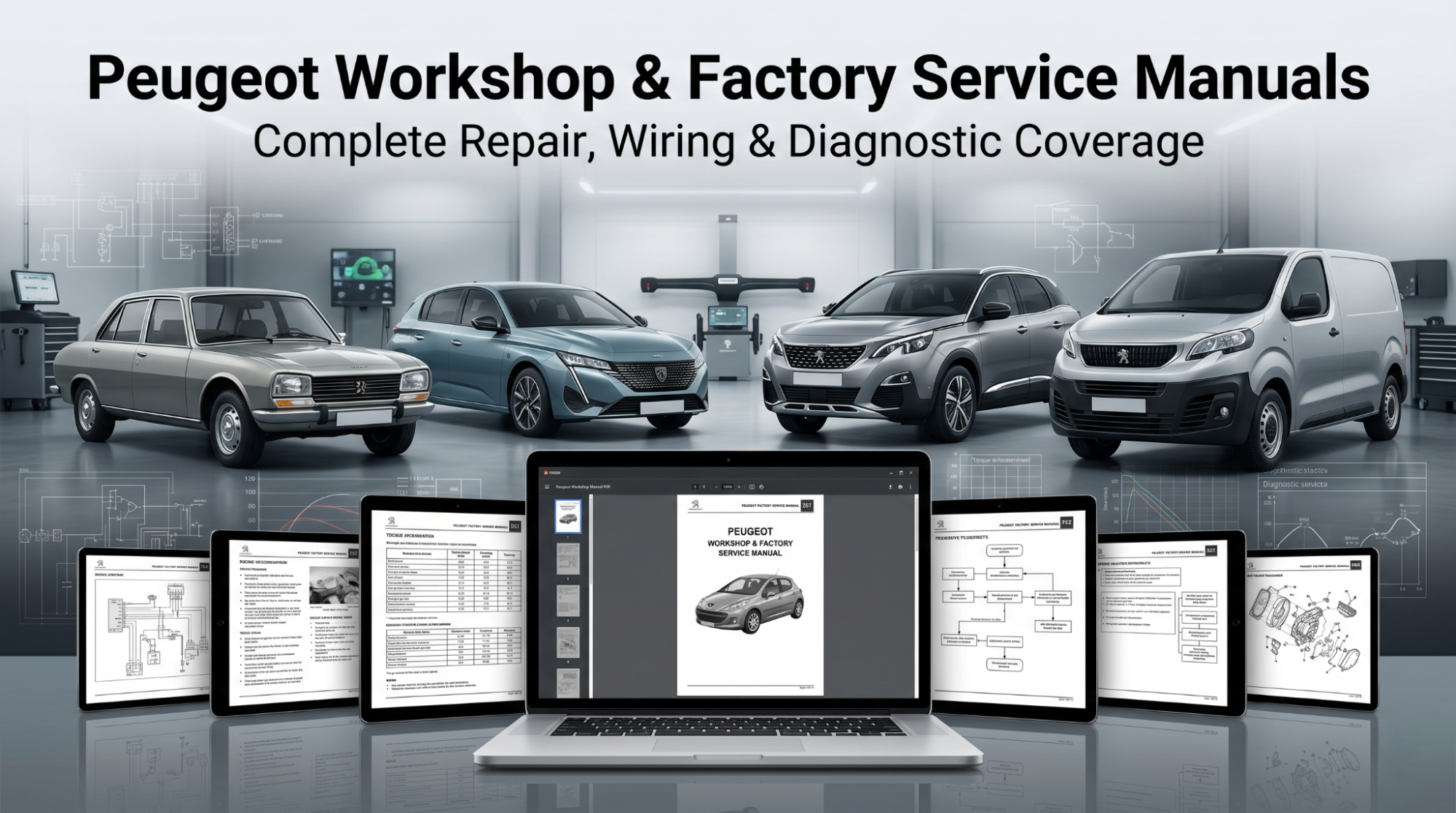
NXT Motors covers the full Peugeot lineup with workshop manuals, factory service guides, and repair PDFs spanning over eight decades of production. From classic rear-wheel-drive saloons to modern plug-in hybrids and commercial vans, each manual delivers the exact repair data technicians and serious DIY owners need.
Every Peugeot workshop manual on NXT Motors includes wiring diagrams, torque specifications, fluid capacities, and diagnostic flowcharts for the specific model and generation. Engine and transmission deep-dives live in the dedicated powertrain categories. What you find here is complete vehicle coverage: chassis, body, electrical, and HVAC.
What Are Peugeot Workshop & Factory Service Manuals?
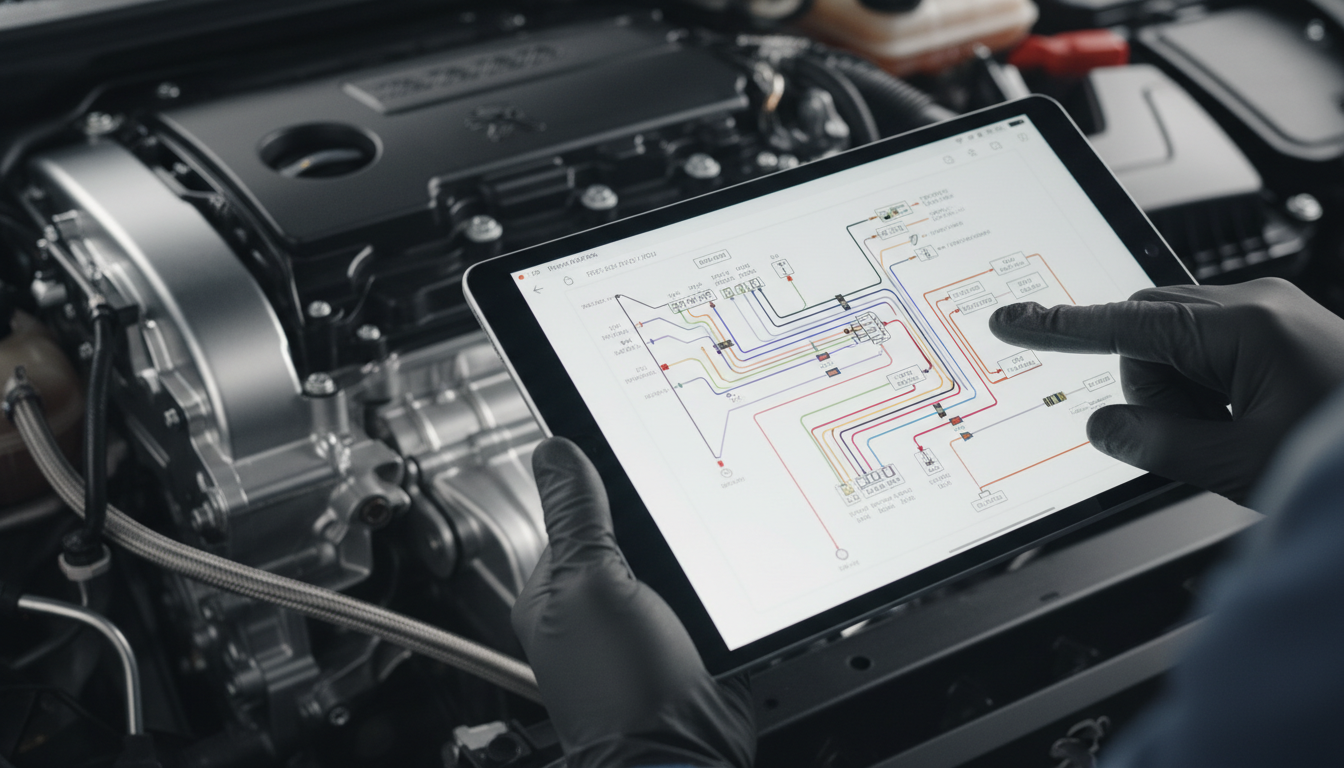
A Peugeot factory service manual is the same documentation Peugeot-trained technicians use when servicing vehicles in authorized workshops. It is not a generic guide. It covers every procedure for a specific model, from routine maintenance schedules to full mechanical overhauls, using Peugeot’s own specifications.
Peugeot Service Box is the brand’s official online repair and maintenance system. The manuals available at NXT Motors draw from the same factory repair information, organized into downloadable PDF format so you can access procedures offline, search by system, and cross-reference wiring diagrams without needing a live dealer connection.
Whether you are diagnosing an engine warning light, replacing a timing belt, or rebuilding a suspension corner, the right Peugeot repair manual eliminates guesswork and gives you the exact torque values, fluid specifications, and component sequences that came from the factory.
Peugeot Workshop Manuals by Model
Models are grouped by generation and body style. Priority coverage goes to the highest-searched models, with P1 models receiving the most complete documentation across all variants.
Peugeot 206 Workshop Manuals
The 206 is one of the highest-searched Peugeot models worldwide. Launched in 1998 and sold into the 2010s in some markets, it covered hatchback, estate, coupe cabriolet, and van body styles across a wide range of petrol and diesel engines.
Manuals address the torsion beam rear suspension, the electric hood mechanism on the CC variant, and the multiple gearbox configurations fitted across the production run.
|
206 Variant
|
Body Style
|
Coverage Notes
|
|
206
|
Hatchback (3dr / 5dr)
|
Full chassis, electrical, HVAC across all trims
|
|
206+
|
Hatchback
|
T3E facelift; updated instrument cluster and trim wiring
|
|
206 SW
|
Estate
|
Roof rail, rear suspension load-spec documentation
|
|
206 CC
|
Coupe Cabriolet
|
Electric hood mechanism, wind deflector, hood ECU
|
Peugeot 3008 Service Manuals
The 3008 is Peugeot’s best-selling SUV and carries the highest total search volume of any Peugeot model in the NXT Motors keyword data. The first generation ran from 2009 to 2016 as a crossover MPV, the second generation, introduced in 2016, introduced the i-Cockpit digital dashboard and PHEV hybrid drivetrain options. Both generations are covered separately given the significant platform differences.
|
3008 Generation
|
Years
|
Key Service Notes
|
|
3008 1st Generation
|
2009-2016
|
MPV crossover platform; EGR, DPF, and AWD Grip Control docs
|
|
3008 2nd Generation
|
2016-present
|
EMP2 platform; i-Cockpit BSI wiring, PHEV HV battery procedures
|
Peugeot 208 Repair Manuals
The 208 replaced the 207 in 2012 and sits on the PF1 platform for the first generation and the CMP platform for the second. The second generation introduced the all-electric e-208, which requires separate high-voltage safety documentation.
Manuals for both generations cover the i-Cockpit layout, Built-in Systems Interface (BSI) procedures, and the manual- and automated-gearbox variants.
|
208 Variant
|
Platform / Generation
|
Key Coverage
|
|
208 1st Generation
|
PF1, 2012-2019
|
Full hatchback documentation, ETG automated gearbox
|
|
208 2nd Generation
|
CMP, 2019-present
|
Updated BSI wiring, enhanced i-Cockpit diagnostics
|
|
e-208
|
CMP Electric
|
HV battery, inverter, on-board charger, regen braking
|
Peugeot 2008 Factory Service Manuals
The 2008 subcompact SUV shares its platform architecture with the 208 and 308 across its generations. The first generation launched in 2013 on the PF1 platform; the second generation, in 2019, moved to the CMP platform and introduced the e-2008 all-electric variant. Grip Control traction system documentation is included across applicable variants.
|
2008 Variant
|
Platform
|
Coverage Notes
|
|
2008 1st Generation
|
PF1, 2013-2019
|
Grip Control AWD system, DPF, suspension procedures
|
|
2008 2nd Generation
|
CMP, 2019-present
|
Updated BSI, touchscreen, ADAS calibration references
|
|
e-2008
|
CMP Electric
|
HV battery disconnect, motor inverter, charge port documentation
|
Peugeot 308 Workshop Manuals
The 308 covers three distinct generations, each on a different platform. The first generation used the PF2/PF3 platform, the second used EMP2 and introduced the 308 SW estate and the GT hot trim, the third generation on the new STLA Small platform added PHEV drivetrains.
All three are documented separately given the underlying platform differences that affect virtually every service procedure.
|
308 Generation
|
Platform
|
Body Styles
|
|
308 1st Generation
|
PF2/PF3, 2007-2014
|
Hatchback, SW Estate
|
|
308 T9 (2nd Gen)
|
EMP2, 2014-2021
|
Hatchback, SW Estate, GT variants
|
|
308 3rd Generation
|
STLA Small, 2021-present
|
Hatchback, SW, PHEV e-308
|
Peugeot 205 Repair Manuals
The 205 is a landmark car in Peugeot’s history and carries strong search volume among classic car restorers and enthusiasts. The standard hatchback, GTI performance variants, and the legendary 205 Turbo 16 rally-homologation special all have dedicated documentation.
Manuals address the rear torsion beam setup, carburetted and fuel-injected engines, and the unique mid-engine all-wheel-drive layout of the Turbo 16.
|
205 Variant
|
Notes
|
|
205
|
Full hatchback documentation, all standard engine variants
|
|
205 GTI
|
Performance suspension, LSD, upgraded braking system docs
|
|
205 Turbo 16
|
Mid-engine AWD homologation; unique drivetrain and chassis procedures
|
Peugeot 5008 Owner & Service Manuals
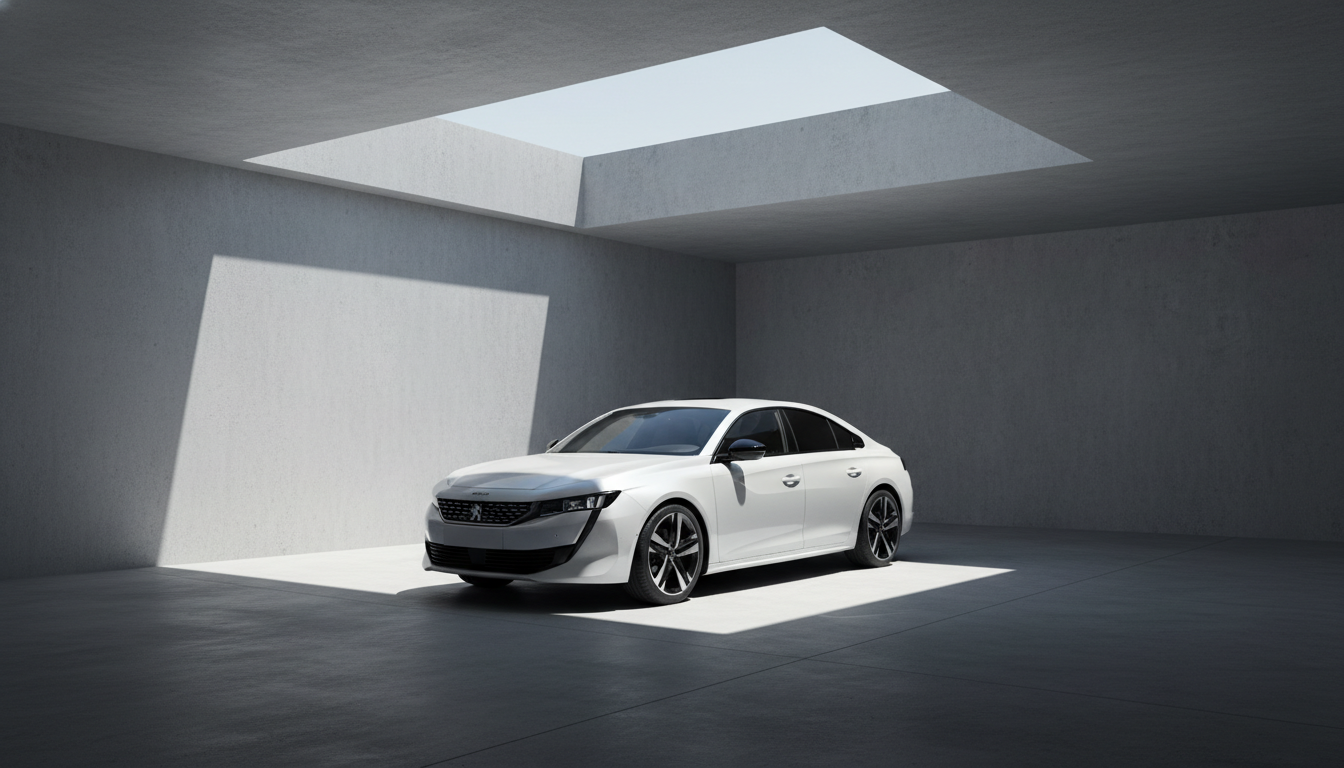
The 5008 started life as a seven-seat MPV in its first generation (2009-2017) before being repositioned as a full SUV for the second generation (2017-present). The platforms, body structures, and drivetrain configurations are substantially different between generations, so manuals are separated accordingly.
The second generation’s PHEV and electric variants have additional high-voltage documentation.
|
5008 Generation
|
Configuration
|
Key Notes
|
|
5008 1st Generation
|
MPV 7-seater
|
Third-row seat mechanisms, sliding door system, MPV-spec HVAC
|
|
5008 2nd Generation
|
SUV 5/7-seater
|
EMP2 platform, ADAS calibration, optional PHEV documentation
|
Peugeot 500 Series Manuals
The 500-series cars represent Peugeot’s core mid-size and executive range across several decades, from the classic rear-wheel-drive 504 and 505 through to the modern 508 saloon and SW.
Peugeot 504 Classic Workshop Manuals
The 504 is one of the most significant Peugeot classics, produced from 1968 to 1983 and sold across Europe, Africa, and South America. Body styles covered include the saloon, estate, coupe, and cabriolet, with documentation for both petrol and diesel variants.
The 504 remains popular for restoration, and these manuals cover the rear live axle, carburetor tuning, and the unique fuel-injection system on later variants.
|
504 Variant
|
Body Style
|
|
504 Sedan / Wagon
|
Saloon and estate, all engine variants
|
|
504 Cabriolet / Coupe
|
Pininfarina-bodied open and fixed-top sports variants
|
Peugeot 505 Service Manuals
The 505 succeeded the 504 and ran in some markets from 1979 to 1999. It was sold in saloon, estate, and US-spec variants. Strong search volume from North American owners indicates ongoing demand for repair documentation, particularly for the fuel-injected petrol and turbodiesel variants common in the US market.
Peugeot 508 Service Manuals
The 508 is Peugeot’s current executive saloon and SW estate, available in standard petrol/diesel, PSE performance PHEV, and SW body styles. Second-generation documentation covers the i-Cockpit system, PHEV high-voltage procedures, and the unique fastback saloon body structure.
|
508 Variant
|
Generation / Body
|
|
508 1st Generation
|
Saloon and SW, petrol/diesel
|
|
508 2nd Generation
|
Fastback saloon and SW
|
|
508 PSE
|
Performance PHEV, dual motor, HV battery documentation
|
Peugeot 400 Series Manuals
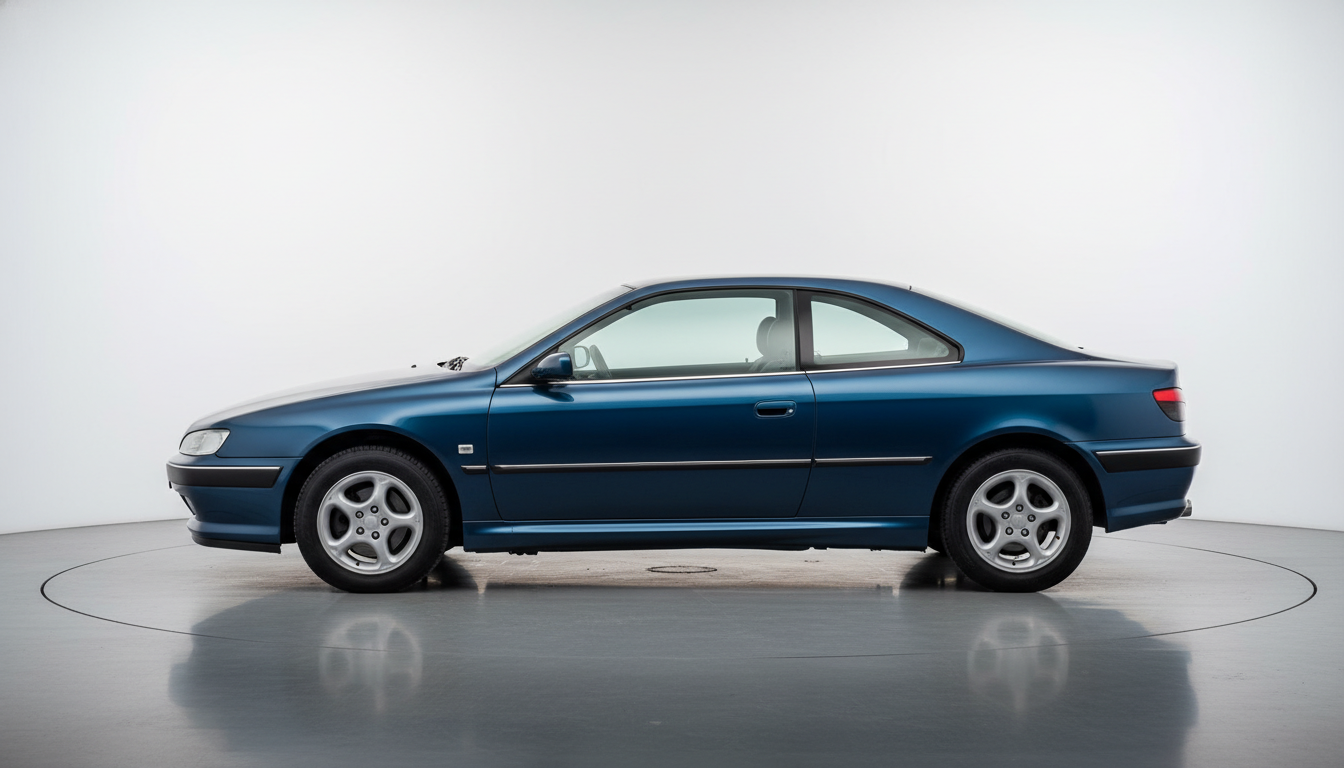
The 400 series spans from the classic 403 and 404 through to the front-wheel-drive 405, 406, and 407, covering Peugeot’s transition from rear- to front-wheel-drive architecture.
Peugeot 403 Workshop Manuals
The 403 ran from 1955 to 1966 and gained global recognition through the Inspector Clouseau film series. Manuals cover the saloon, estate, pickup, and cabriolet body styles across all engine configurations.
Documentation addresses the classic pushrod engine, Zenith carburetor settings, and the rear-drum brake system standard to this era.
Peugeot 404 Repair Guides
The 404 replaced the 403 from 1960 to 1975 and was sold in saloon, estate, coupe, and cabriolet variants, with the open-top models bodied by Pininfarina. Workshop manuals cover the fuel-injected and carburetted petrol variants, the rear-wheel-drive chassis, and the Kugelfischer mechanical fuel injection system unique to the injected variant.
|
404 Variant
|
Body Style
|
|
404 Sedan / Wagon
|
Standard saloon and estate, petrol and diesel
|
|
404 Cabriolet / Coupe
|
Pininfarina open and fixed-top variants, injected engine docs
|
Peugeot 405 Service Manuals
The 405 won European Car of the Year in 1988 and was produced through to 1997. Front-wheel-drive layout with a range of petrol and diesel engines. The Mi16 high-performance variant has specific documentation for the twin-cam 16-valve engine accessories, and the 4×4 estate variant includes procedures for the viscous coupling AWD system.
Peugeot 406 Workshop Manuals
The 406 ran from 1996 to 2004 and was sold as a saloon, an estate, and a Pininfarina-designed coupe. All three body styles have separate documentation because their body structures differ significantly.
The HDi diesel variants, which were among the first to use common-rail direct injection in this class, have dedicated fuel system documentation.
|
406 Variant
|
Body Style
|
|
406 Sedan / Wagon
|
Saloon and estate, petrol and HDi diesel
|
|
406 Coupe
|
Pininfarina coupe body; unique structural and trim documentation
|
|
406 (Restyling)
|
Facelift variants with updated front-end electrical
|
Peugeot 407 Service Manuals
The 407 replaced the 406 from 2004 to 2011 and was available in saloon, estate (SW), and coupe body styles. Manuals cover the full range of petrol and diesel powerplants (accessed in depth via the engine category), the complex electronic parking brake system introduced on this generation, and the Panoramic sunroof mechanism on SW variants.
|
407 Variant
|
Body Style
|
|
407 Sedan / Wagon
|
Saloon and SW estate, all drivetrain variants
|
|
407 Coupe
|
Two-door coupe; unique door glass, structural repair docs
|
|
607 Restyling
|
Executive 607 facelift; closely related platform documentation
|
Peugeot 300 Series Workshop Manuals
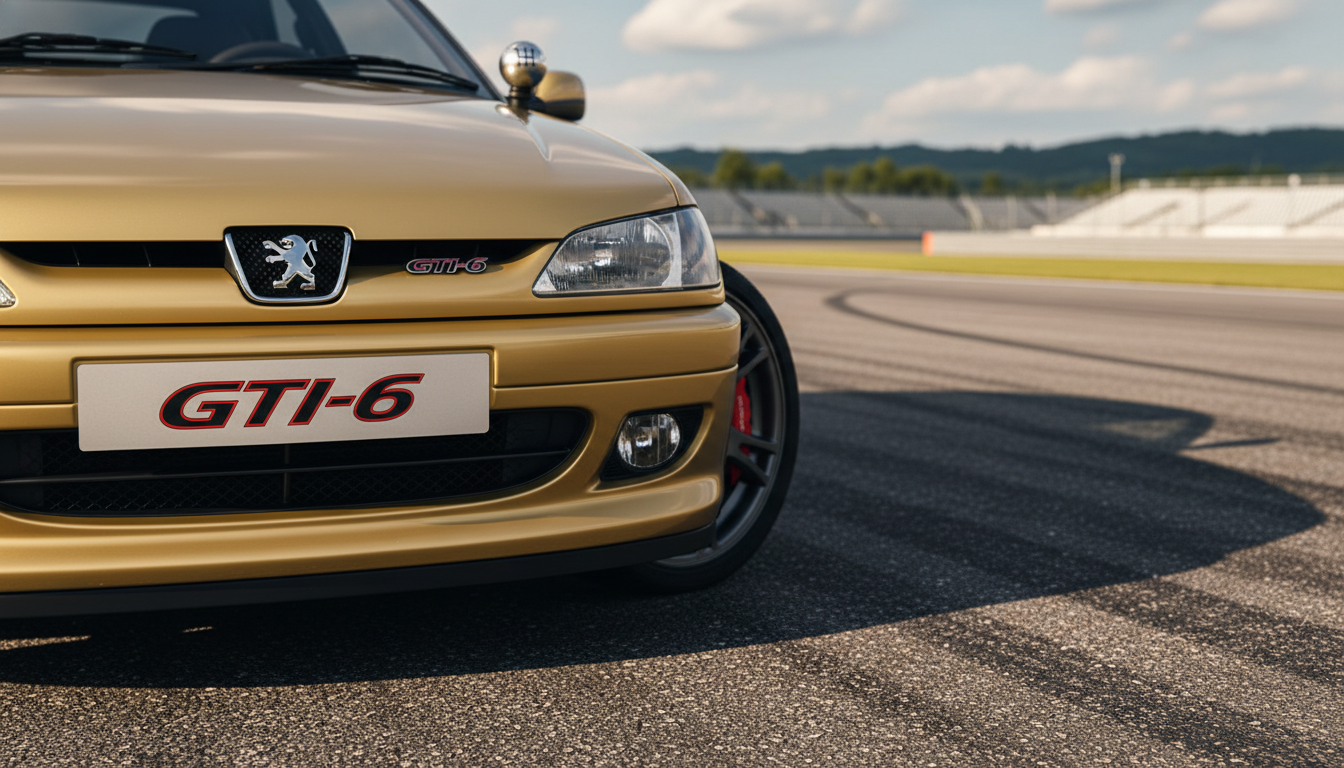
The 300 series covers Peugeot’s compact and small family car range from the pioneering 304 through to the modern 308 crossover-influenced designs.
Peugeot 306 Workshop Manuals
The 306 ran from 1993 to 2002 and was Peugeot’s best-selling car of the 1990s. Available as a hatchback, saloon, estate, cabriolet, and the high-performance GTI-6 and Rallye variants. Workshop manuals cover the torsion beam rear suspension, the cabriolet roof mechanism, and the unique close-ratio gearbox in the GTI-6.
Peugeot 307 Repair Manuals
The 307 replaced the 306 and ran from 2001 to 2008 in hatchback, estate, coupe, cabriolet, and three-door body styles. It moved to a revised multi-link rear suspension on CC variants.
Manuals cover the BSI (Built-in Systems Interface) diagnostic procedures introduced in this generation, which represent a significant step up in complexity compared to the 306 era.
|
307 Variant
|
Body Style
|
|
307
|
Standard hatchback, saloon
|
|
307 SW
|
Seven-seat estate with panoramic glass roof
|
|
307 (Restyling)
|
Facelift variant; updated BSI wiring and trim
|
|
307 CC
|
Coupe cabriolet; electric roof mechanism and hood ECU
|
Peugeot 309 Workshop Manual
The 309 was a budget-conscious hatchback produced from 1985 to 1993, using an extended version of the 205 platform. Manuals cover the front-wheel-drive layout in three and five-door configurations, the standard and GTI performance variants, and the fuel system differences between carburetted and injected engine options.
Peugeot 301 Service Manual
The 301 is a budget saloon developed primarily for emerging markets and produced from 2012. It shares platform architecture with the 208 but uses a traditional saloon body structure optimized for markets where large boot capacity is valued.
Workshop manuals cover the simplified electrical architecture and the market-specific engine configurations fitted across regions.
Peugeot 304 Repair Guide
The 304 was produced from 1969 to 1980 and was available in saloon, estate, coupe, and cabriolet variants. It used a transversely mounted engine in a front-wheel-drive layout, which was advanced for its time.
Manuals address the Solex carburetor settings, the front suspension geometry, and the unique body-specific structural documentation for the Cabriolet and Coupe variants.
|
304 Variant
|
Body Style
|
|
304 Cabriolet / Coupe
|
Open and fixed-top variants; unique hood and structural docs
|
Peugeot 305 Workshop Manual
The 305 saloon and estate ran from 1977 to 1990 and bridged the gap between the 304 and the 309/306. Manuals cover the petrol and diesel variants in saloon and estate body styles, including documentation for the GTX performance variant.
Peugeot 200 Series Service Manuals
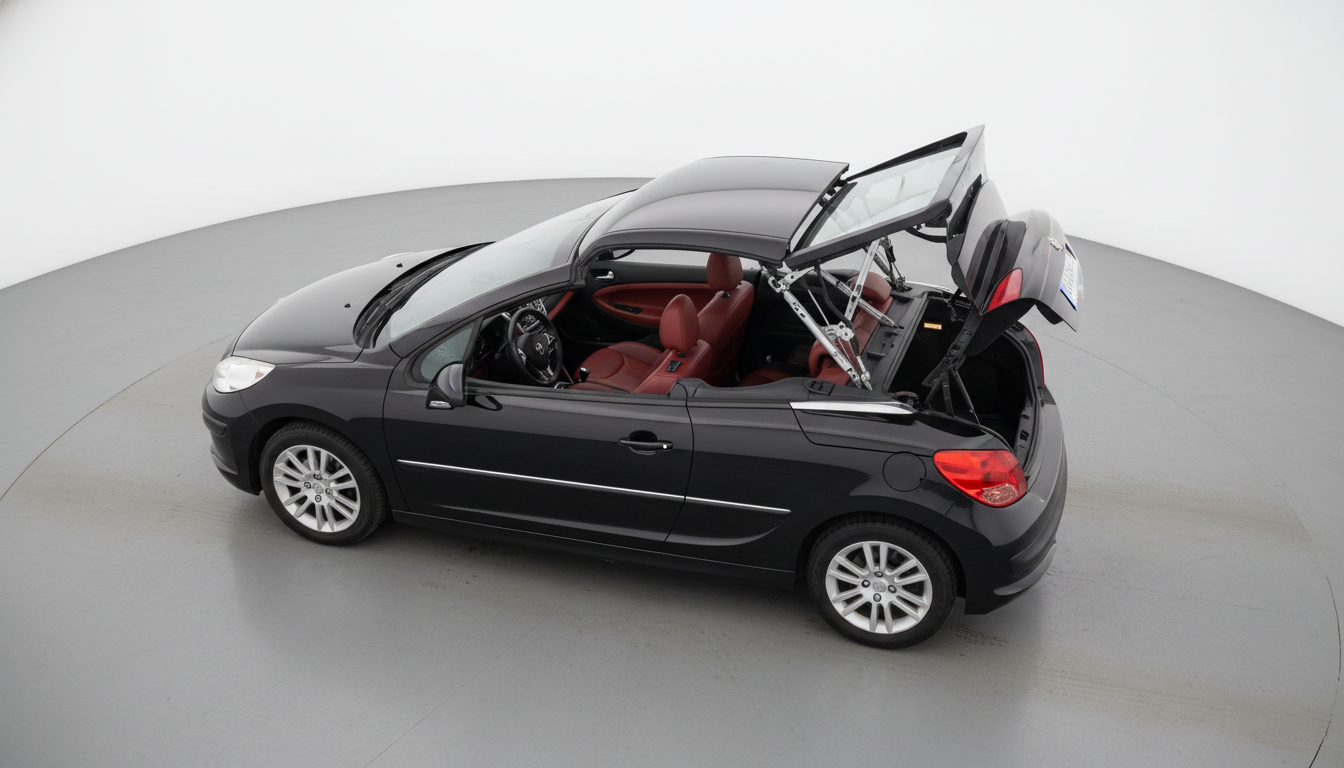
The 200 series covers Peugeot’s supermini and small car range, from the groundbreaking 205 through to the current 208.
Peugeot 207 Repair Manuals
The 207 replaced the 206 in 2006 and continued to run in most markets until 2015. Larger than its predecessor, it was available in hatchback, estate, coupe cabriolet, and van configurations.
Workshop manuals cover the updated Electronic Power Steering system, the CC electric hood mechanism, and the HDi diesel common-rail variants that became popular for fleet use.
Peugeot 202 & 203 Historical Manuals
The 202 and 203 represent Peugeot’s post-war production era. The 202 ran from 1938 to 1948, the 203 from 1948 to 1960. Workshop documentation for these vehicles is primarily of interest to collectors and restorers.
Manuals cover the side-valve engine procedures, mechanical braking systems on earlier variants, and the basic electrical systems of the era.
Peugeot 204 Workshop Manual
The 204, produced from 1965 to 1976, was Peugeot’s first transverse-engine front-wheel-drive car. Manuals cover the coupe and cabriolet body styles alongside the saloon and estate, with Pininfarina-designed open variants documented separately for their unique hood and structural components.
|
204 Variant
|
Body Style
|
|
204 Cabriolet / Coupe
|
Pininfarina-designed open and fixed-top sports variants
|
Peugeot 100 Series Workshop Manuals
The 100 series covers Peugeot’s compact city car and supermini range.
Peugeot 106 Service Manuals
The 106 ran from 1991 to 2004 and was available in three and five-door hatchback and the Rallye and GTI performance variants. It also served as the basis for the first mainstream all-electric Peugeot, the 106 Electric.
Manuals cover the electric drivetrain procedures for the EV variant, along with complete documentation for the standard petrol and diesel models.
|
106 Variant
|
Notes
|
|
106 Hatchback
|
3dr and 5dr; full petrol and diesel documentation
|
|
106 Restyling
|
Phase 2 facelift; updated instrument wiring and front styling
|
|
106 GTI / Rallye
|
Performance variants; uprated braking and suspension docs
|
|
106 Electric
|
EV drivetrain, battery, and charging system procedures
|
Peugeot 107 Repair Manual
The 107 was a city car produced from 2005 to 2014, co-developed with Toyota (Aygo) and Citroen (C1) on the same platform.
Workshop manuals cover the shared platform architecture while addressing Peugeot-specific trim, BSI configuration, and the A-segment-specific service procedures.
Peugeot 108 Service Manual
The 108 succeeded the 107 from 2014 and continued the Toyota/Citroen platform-sharing arrangement. Available in standard hatchback and the Top! open-roof canvas variant.
Manuals cover the updated infotainment wiring, the canvas roof mechanism for the Top! variant, and the urban-focused powertrain accessories.
Peugeot 104 Workshop Manuals
The 104 ran from 1972 to 1988 and was produced in berline (saloon) and coupe (Z) body styles. The short-wheelbase Coupe Z was a separate model on a shortened platform, not simply a body variant, so it has its own dedicated documentation addressing the unique wheelbase, suspension geometry, and the performance engine options fitted to the ZS and ZA coupes.
|
104 Variant
|
Body Style
|
|
104 Berline
|
Standard saloon; three and five-door hatchback configuration
|
|
104 Coupe (Z)
|
Short-wheelbase sports coupe; unique platform documentation
|
Peugeot 1007 Workshop Manual
The 1007 was produced from 2004 to 2009 and featured electrically operated sliding doors on a city-car footprint. Its service documentation is notably distinct from that of other Peugeot small cars because of the sliding-door motor control system, the BSI diagnostic procedures specific to this configuration, and the unusual seating and access mechanism.
Peugeot 600 & 800 Series Executive Car Manuals
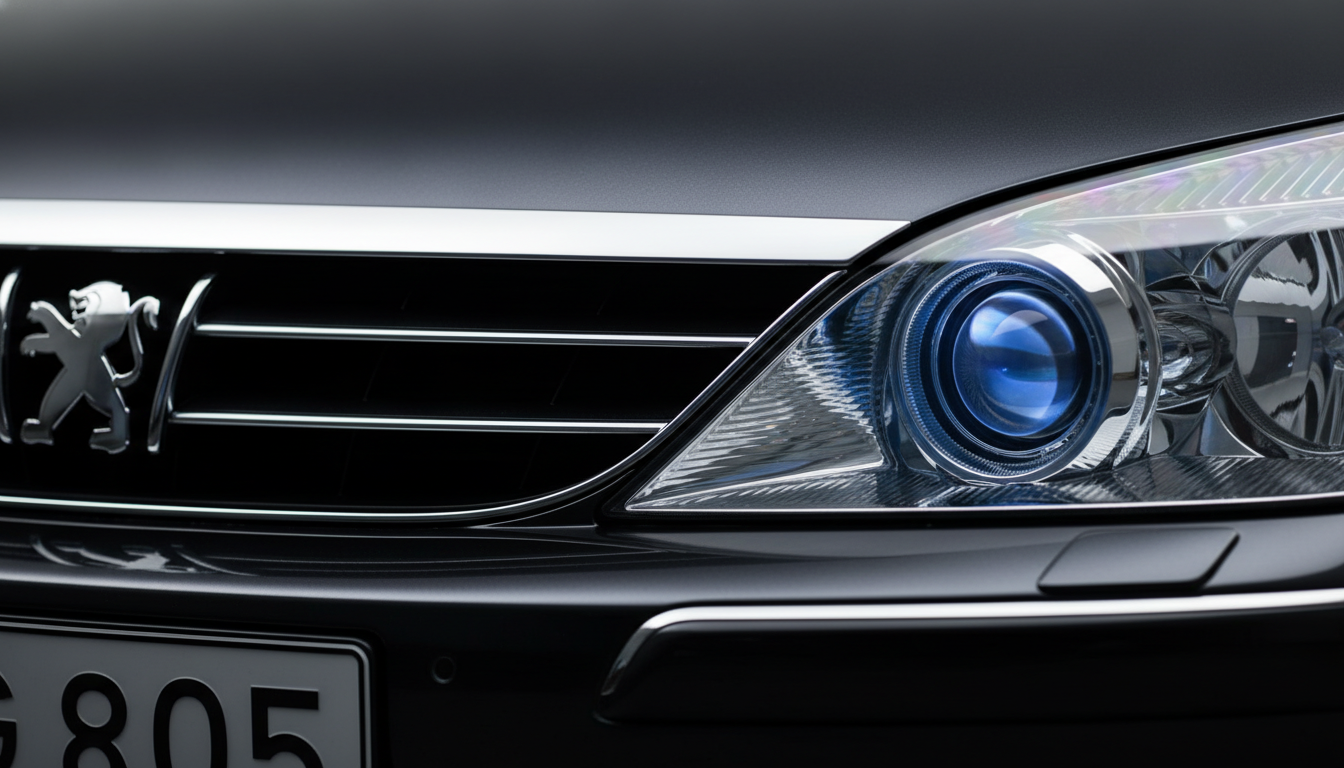
Peugeot’s large executive and luxury models occupy a specialist category. These vehicles are less common in dealer service than the mainstream range, making workshop documentation particularly valuable.
Peugeot 604 Workshop Manual
The 604 was Peugeot’s flagship executive saloon from 1975 to 1986, sharing its PRV V6 engine with Renault and Volvo. Workshop manuals cover the full mechanical documentation for the unique PRV powertrain, accessories, the automatic transmission fitted to most examples, and the hydraulic system shared with other PSA Group vehicles of the era.
Peugeot 605 Service Manual
The 605 replaced the 604 from 1989 to 1999 and used front-wheel drive with a range of four-cylinder and V6 engines. Documentation covers the era’s complex electronic systems, including early ABS procedures, climate control diagnostics, and V6 variant-specific powertrain accessories.
Peugeot 607 Workshop Manuals
The 607 was Peugeot’s large executive saloon from 1999 to 2010. It used the same basic platform as the 406 but with a longer wheelbase and enhanced luxury equipment.
The 607 Restyling and 607 Feline concept-inspired production trim have dedicated documentation for the updated electronics and revised rear suspension tuning.
|
607 Variant
|
Notes
|
|
607
|
Standard executive saloon; full documentation
|
|
607 Restyling
|
Facelift; updated BSI wiring and front-end electrical
|
|
607 Feline
|
Top-trim luxury spec; massage seat and air suspension docs
|
Peugeot 806 & 807 Manuals
The 806 was Peugeot’s first purpose-built minivan, co-developed with Citroen, Fiat, and Lancia on the Type 2 platform.
The 807 successor ran from 2002 to 2014. Both have full documentation covering sliding door systems, third-row seating mechanisms, and the multi-zone climate control systems fitted to higher-spec variants.
Peugeot Crossover & SUV Service Manuals
Peugeot’s crossover and SUV range expanded significantly from the 2000s onward. The 4007 and 4008 shared a Mitsubishi-developed architecture, while the 2008, 3008, 4008, and 5008 now use in-house PSA/Stellantis platforms.
Peugeot 4007 Workshop Manual
The 4007 was a rebadged Mitsubishi Outlander produced from 2007 to 2012. Because of the shared platform with Mitsubishi, its service documentation addresses Peugeot-specific electronics and trim while referencing the underlying Mitsubishi drivetrain architecture where applicable.
The 4WD system documentation is particularly important given the complex multi-mode all-wheel-drive system inherited from the Outlander.
Peugeot 4008 Service Manual
The 4008 was based on the Mitsubishi ASX/RVR platform and produced from 2012 to 2017. Like the 4007, manuals cover the Peugeot-specific electrical and trim systems alongside the Mitsubishi-derived drivetrain.
The 4WD variant documentation includes the rear-axle coupling system unique to this generation.
Peugeot RCZ Service Manuals
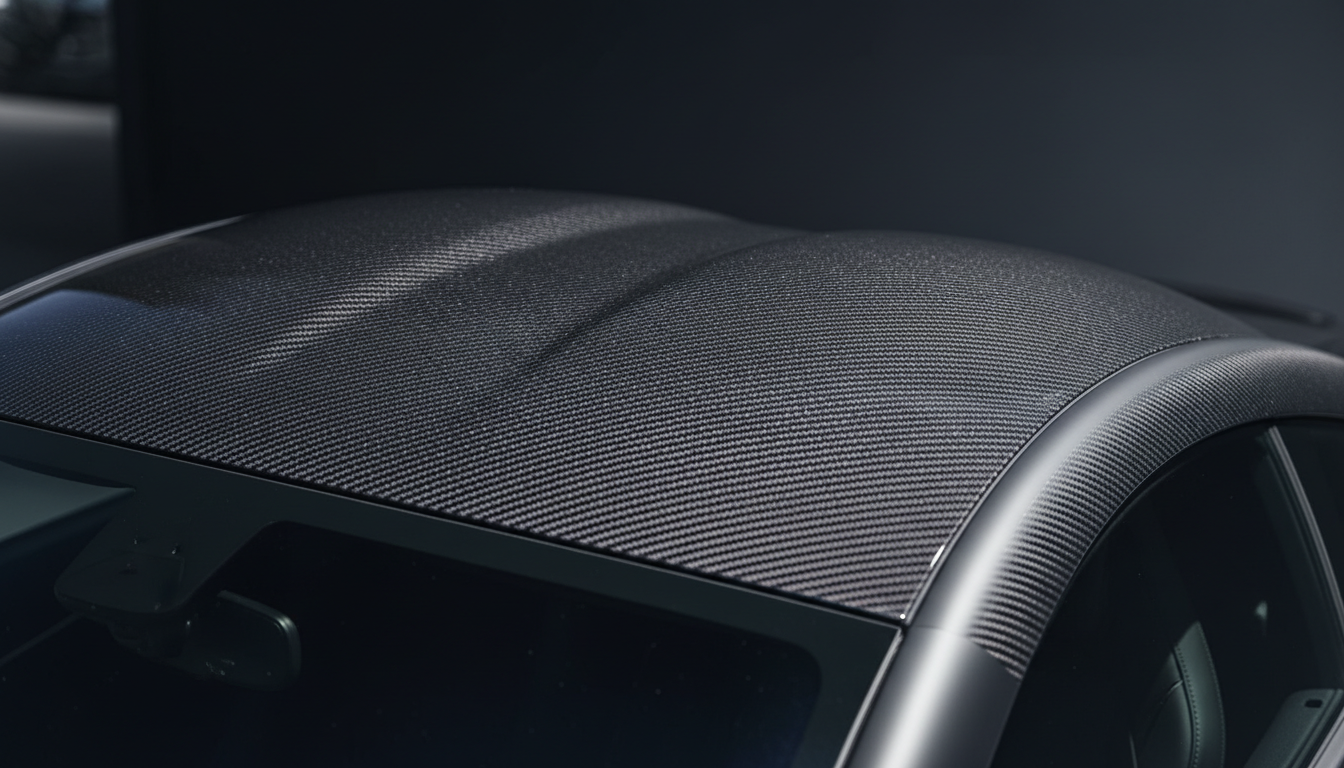
The RCZ was Peugeot’s flagship coupe from 2010 to 2015, produced in a single front-wheel-drive configuration with a unique double-bubble roof design. Despite the distinctive styling, the RCZ sits on a version of the 308 platform.
Workshop manuals cover the roof structure procedures specific to the double-bubble design, the turbocharged THP engine accessories (detailed specs in the engine category), and the firm’s sport-tuned suspension geometry.
|
RCZ Variant
|
Notes
|
|
RCZ Standard
|
FWD coupe; complete chassis, electrical, and trim documentation
|
|
RCZ R
|
High-output THP variant; Brembo brake system, Torsen LSD documentation
|
Peugeot Commercial Vehicle & Van Manuals
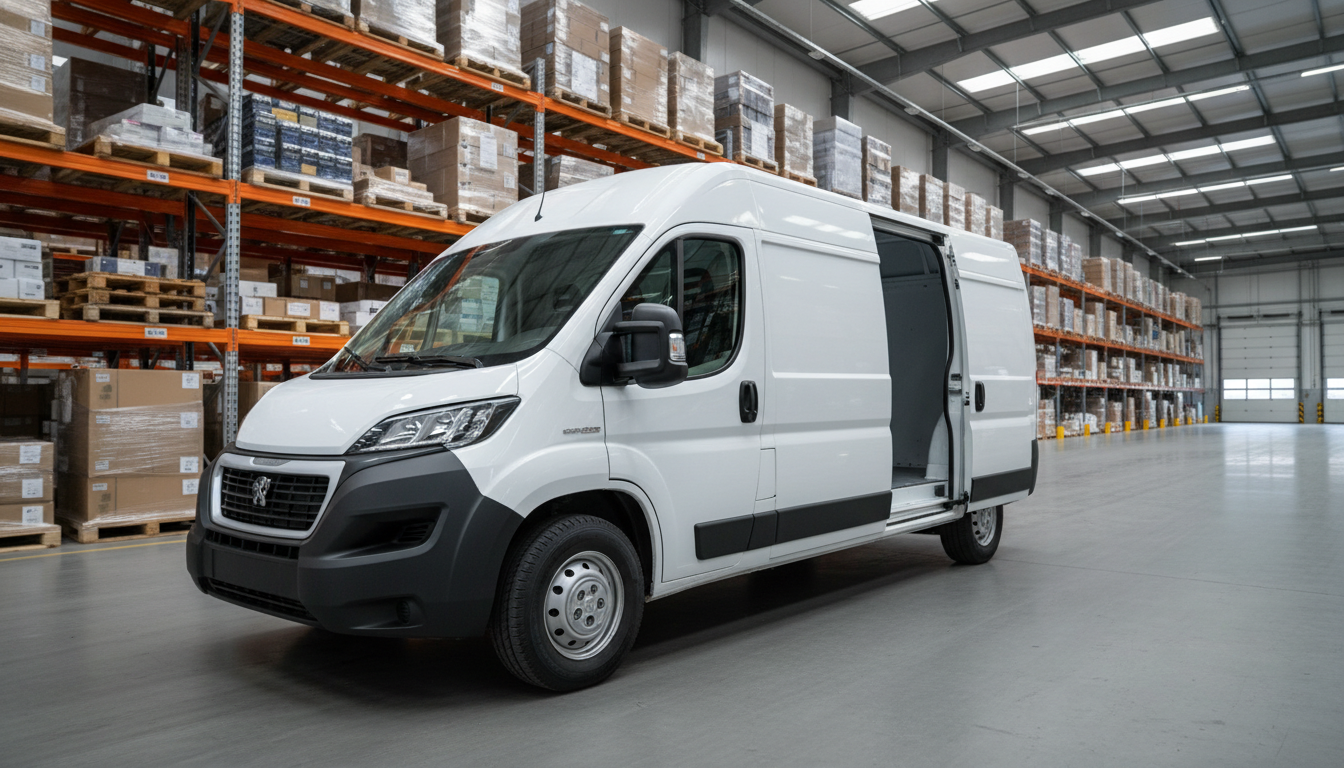
Peugeot’s light commercial range is widely used by tradespeople and fleet operators across Europe and internationally.
These manuals address load-rated chassis specifications, cargo body electrical systems, and commercial-specific service intervals that differ from passenger-car documentation.
Peugeot Boxer Workshop Manuals
The Boxer is Peugeot’s large panel van and motorhome base, co-developed with Citroen (Relay) and Fiat (Ducato) on the Sevel Nord platform.
NXT Motors carries documentation for Boxer, Boxer II, and Boxer 3, covering the full evolution of the platform, including the AdBlue system introduced on later Euro 6 variants (a common fault reference for this model), increased-payload chassis configurations, and optional raised-roof and extended-wheelbase body variants.
|
Boxer Generation
|
Platform Notes
|
Key Coverage
|
|
Boxer (1st Gen)
|
Original Sevel platform
|
Full mechanical, electrical, and cab documentation
|
|
Boxer II
|
Revised Sevel, 2006-2014
|
ESP, updated dashboard wiring, Euro 4/5 diesel
|
|
Boxer 3
|
Current generation, 2014+
|
AdBlue, Euro 6, advanced infotainment, ADAS references
|
Peugeot Expert & Expert Tepee Manuals
The Expert is Peugeot’s medium panel van and people-carrier, available in cargo, combi, and Tepee passenger-spec configurations. The Expert 3, currently in its third generation, is also sold as the Citroen Dispatch and Toyota ProAce.
Workshop manuals address the bulkhead electrical systems, sliding door mechanisms, and the load-floor configurations specific to each body variant.
|
Expert Variant
|
Configuration
|
|
Expert
|
Standard cargo van and combi
|
|
Expert Tepee
|
Passenger MPV variant; seating, climate, and trim documentation
|
|
Expert 3
|
Current EMP2-based generation; updated BSI and safety systems
|
Peugeot Partner & Partner Tepee Manuals
Peugeot’s Partner compact van is one of the brand’s most popular commercial models. While the M59 generation was produced between 2002 and 2015, the B9 Tepee introduced a passenger-oriented version equipped with second-row seating and sliding rear doors.
Workshop manuals cover the Berlingo-platform architecture shared with Citroen, the sliding door actuation system on Tepee variants, and the commercial-specific electrical fuse configurations.
|
Partner Variant
|
Generation / Notes
|
|
Partner
|
Standard compact van; cargo and combi
|
|
Partner (M59)
|
Second generation; updated front end and dashboard
|
|
Partner Tepee (B9)
|
Passenger variant; sliding doors, second-row seats, comfort HVAC
|
Peugeot Bipper & Bipper Tepee Manuals
The Bipper is Peugeot’s smallest van, co-developed with Fiat (Fiorino) and Citroen (Nemo). The Tepee A9 adds a passenger-spec body.
Manuals cover the compact platform’s service procedures, including tight engine-bay access and the sliding rear-door mechanism on Tepee variants.
Peugeot J5-Express Van Manual
The J5-Express was Peugeot’s large van from the 1980s and early 1990s, preceding the Boxer. Workshop documentation covers the rear-wheel-drive platform, the diesel engine variants that dominated fleet sales, and the high-roof body configurations used for ambulance and conversion applications.
Peugeot Heritage, Concept & Special Models
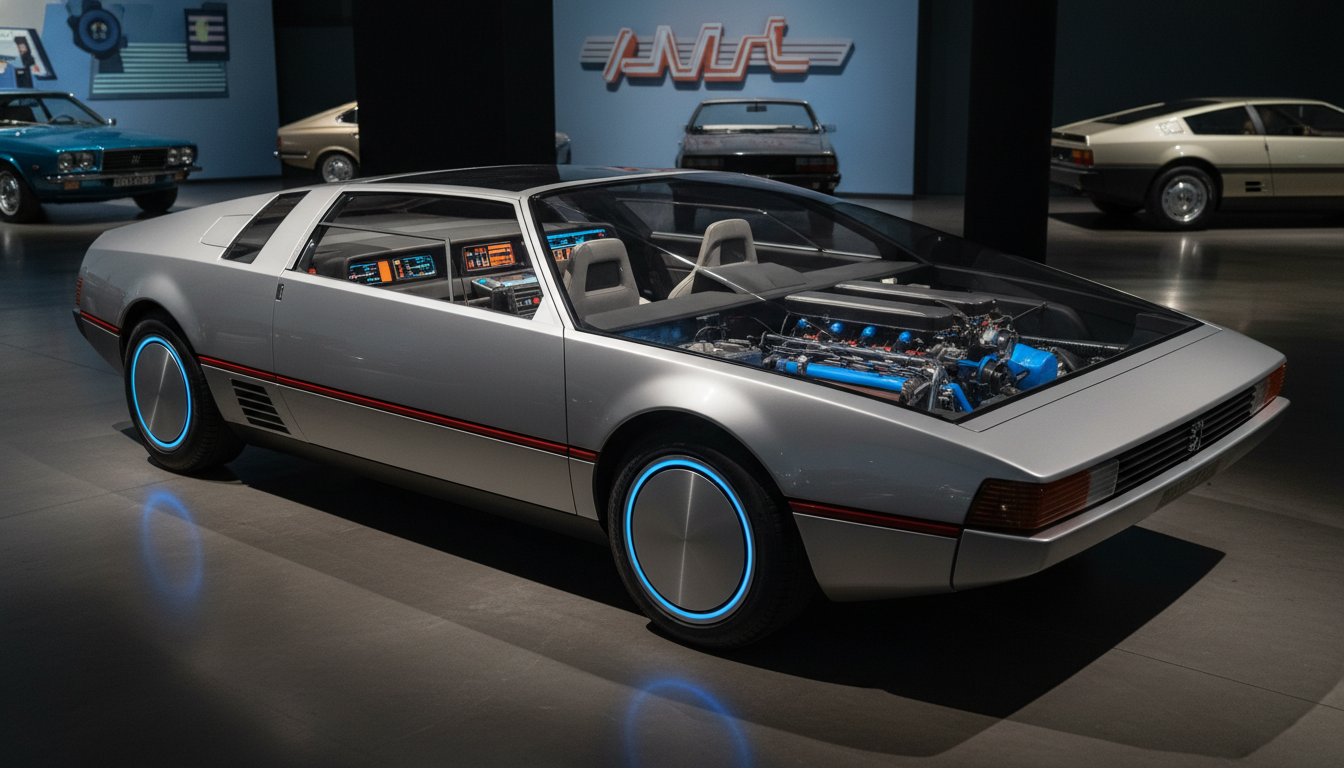
NXT Motors also carries documentation for a selection of Peugeot concept, heritage, and limited-production models, primarily of interest to collectors, restorers, and automotive historians.
Peugeot Concept Car Documentation
Historical concept documentation covers the Quasar Concept, Proxima Concept, Oxia Concept, and the Vera Concept. These records are primarily technical reference material rather than practical service guides, but they provide insight into the engineering decisions that informed subsequent production models.
|
Concept Model
|
Era
|
Significance
|
|
Quasar Concept
|
1984
|
Turbocharged 205 T16 derived; mid-engine supercar study
|
|
Proxima Concept
|
1986
|
Aerodynamic study; PRV V6 mid-engine layout
|
|
Oxia Concept
|
1988
|
200mph concept; twin-turbo V6 and active aerodynamics
|
|
Vera Concept
|
2018
|
Autonomous electric long-haul truck concept
|
Peugeot Peugette Pininfarina & Vis-A-Vis
The Peugette Pininfarina and the Vis-A-Vis are unique heritage pieces representing Peugeot’s collaboration with coachbuilder Pininfarina across different eras. Documentation is provided as historical reference material for collectors and researchers.
Complete Peugeot Model Coverage at NXT Motors
The table below confirms coverage across all Peugeot models available in the workshop manual library.
|
Category
|
Models Covered
|
Generation Notes
|
|
P1 High-Volume SUVs/Crossovers
|
3008, 2008, 5008
|
1st and 2nd gen; PHEV variants where applicable
|
|
P1 Superminis
|
206, 208, 205
|
All generations; CC, GTI, Turbo 16, e-208 variants
|
|
P1 Family Hatchbacks
|
308
|
3 generations; T9, PHEV e-308
|
|
Executive Saloons
|
504, 505, 508, 604, 605, 607
|
Classic through modern; PSE PHEV
|
|
400 Series
|
403, 404, 405, 406, 407
|
RWD classics and FWD modern; all body styles
|
|
300 Series
|
301, 304, 305, 306, 307, 309
|
Compact and family; CC, SW, GTI variants
|
|
200 Series
|
202, 203, 204, 207
|
Post-war through modern superminis
|
|
100 Series
|
104, 106, 107, 108, 1007
|
City cars; EV variant for 106
|
|
Performance Coupes
|
RCZ, 205 Turbo 16, 206 CC, 307 CC
|
FWD coupes; rally homologation docs
|
|
Crossovers / SUVs
|
4007, 4008
|
Mitsubishi platform; AWD system docs
|
|
Large Vans
|
Boxer I/II/3, J5-Express
|
Full Sevel platform; AdBlue and Euro 6
|
|
Medium Vans
|
Expert, Expert Tepee, Expert 3
|
EMP2 platform; cargo and passenger
|
|
Compact Vans
|
Partner, Partner Tepee, Bipper, Bipper Tepee
|
All generations; sliding door systems
|
|
Large MPVs
|
806, 807
|
Type 2 platform; 7-seat configurations
|
|
Heritage / Concepts
|
Quasar, Proxima, Oxia, Vera, Peugette, Vis-A-Vis
|
Reference documentation
|
What Every NXT Motors Peugeot Manual Includes
All manuals in the Peugeot category follow a consistent documentation standard across mechanical, electrical, and body systems.
- Wiring Diagrams and Electrical Schematics – Full circuit diagrams including BSI system layouts, fuse box pinouts, and connector location guides for each model generation.
- Torque Specifications – Factory torque values in Nm with tightening sequence diagrams for all critical fasteners.
- Fluid Capacities and Approved Fluids – Correct fill volumes and PSA-approved fluid specifications for engine oil, gearbox, differential, coolant, and brake fluid.
- Diagnostic Procedures – Step-by-step fault isolation using Peugeot fault code tables and sensor testing procedures via standard diagnostic tools.
- Removal and Installation – Detailed procedures for all major assemblies including suspension, braking, HVAC, and body systems with exploded-view diagrams.
- Special Tool References – Peugeot factory special tool part numbers called out within procedures to ensure correct tooling is sourced before starting work.
- High-Voltage Safety – PHEV and EV models include mandatory HV safety sections covering de-energizing procedures and PPE requirements before any work near the battery or inverter.
Peugeot Manual FAQs
Are first- and second-generation models documented separately?
Yes. Where a model spans two platforms (such as the 308, 3008, or 5008), NXT Motors provides separate documentation for each generation. Platform differences affect virtually every service procedure, so combining them in a single manual would be misleading.
Do the manuals cover BSI diagnostic procedures?
Yes. From the 307 generation onward, Peugeot introduced the BSI (Built-in Systems Interface) as the central control module.
Manuals for the 307, 308, 207, 208, and all subsequent models include BSI fault-reading procedures, reset sequences, and wiring diagrams specific to each generation’s BSI configuration.
Are Peugeot HDi diesel variants covered separately?
Diesel-specific procedures such as DPF regeneration, EGR cleaning, and common-rail fuel system service are included in the relevant model manuals.
Detailed engine rebuild documentation lives in the dedicated engine category, organized by engine code rather than model.
Are PHEV and electric models safe to service using these manuals?
Yes, provided the mandatory high-voltage safety procedures in the opening chapters are followed. Every hybrid and electric Peugeot manual begins with HV safety, including the sequence for de-energizing the system, the minimum wait time after disconnect, and the PPE requirements before work begins near the battery, inverter, or motor.
Do classic Peugeot manuals cover carburetor tuning and ignition timing?
Yes. Older models like the 203, 204, 304, 403, and 404 include carburetor specification tables, ignition timing settings, and valve clearance procedures.
These are particularly valuable for restoration work where dealer support is no longer available.
Is the 205 Turbo 16 documentation the same as the standard 205?
No. The Turbo 16 is a fundamentally different vehicle from the standard 205 hatchback. It uses a mid-mounted engine, all-wheel drive, and a purpose-built spaceframe chassis beneath a body that only superficially resembles the road car.
It has fully separate workshop documentation covering the unique drivetrain, AWD system, and the rally-derived mechanical components.
Are engine and transmission specifications in these manuals?
Engine and transmission specs are referenced where relevant to vehicle-level procedures (such as torque specs for installation or fluid capacities for fill quantities).
Full powertrain rebuild documentation is located in the dedicated engine and transmission categories, organized by engine family code rather than by vehicle model.
Browse the full Peugeot collection at NXT Motors or use the model search to find your specific vehicle manual instantly.