

Hyundai Workshop & Factory Service Manuals
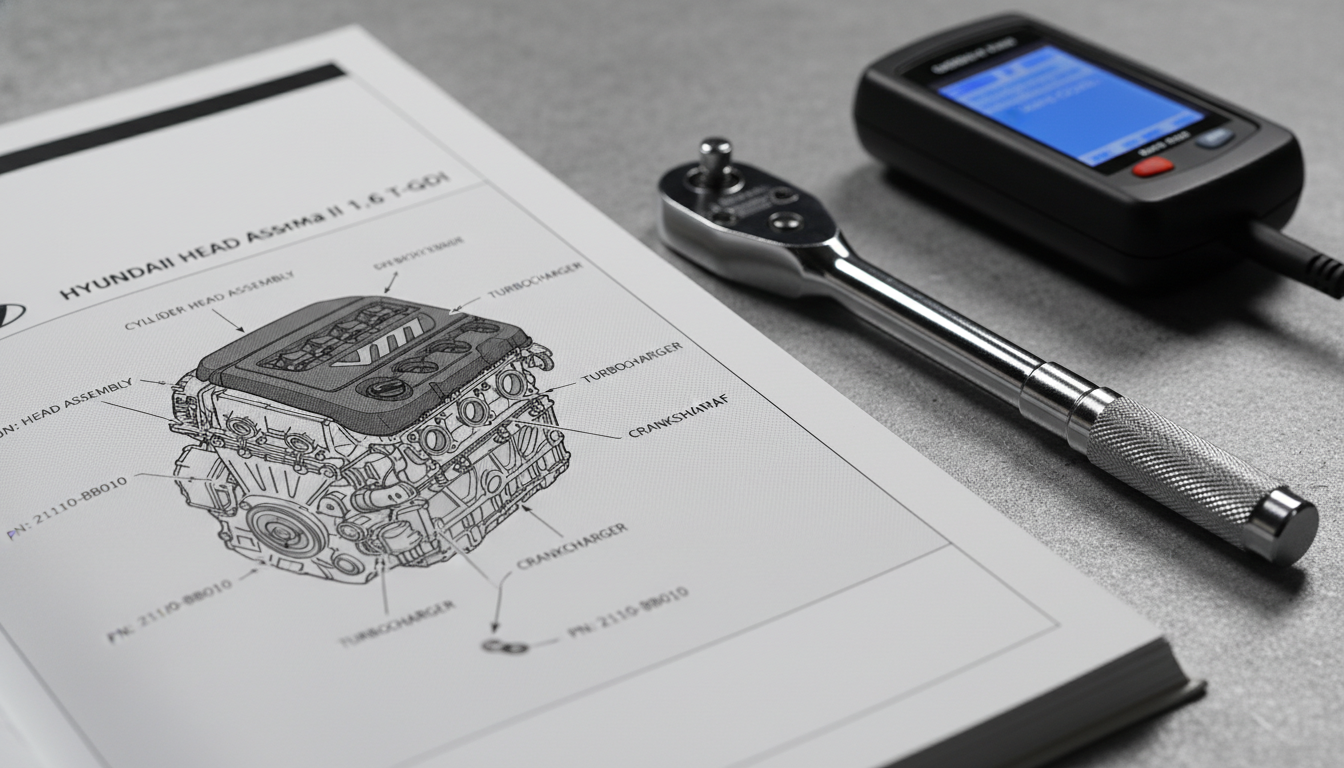
NXT Motors covers the complete Hyundai lineup with workshop manuals, factory service guides, and repair PDFs spanning from the original Pony through to the latest Ioniq electric platform. These are not generic guides.
Every manual reflects the factory repair data Hyundai technicians use, organized by model and generation for accurate, procedure-level detail.
Coverage includes wiring diagrams, torque specifications, fluid capacities, OBD-II and OBD2 diagnostic trouble code tables, fuse box diagrams, and step-by-step removal and installation procedures for all major systems.
Engine and transmission rebuild documentation lives in the dedicated powertrain categories. What you find here is complete vehicle coverage: chassis, body, electrical, HVAC, brakes, and steering.
What Are Hyundai Workshop & Factory Service Manuals?
A Hyundai factory service manual is the complete technical reference produced by Hyundai Motor Company for a specific model and year. It covers every repair procedure from routine maintenance to full overhauls, using Hyundai's own torque specifications, fluid approvals, and diagnostic sequences.
Hyundai uses several proprietary systems that are documented in detail: the CRDI (Common Rail Direct Injection) diesel system, GDI (Gasoline Direct Injection), MPI (Multi-Point Injection), CVVT (Continuously Variable Valve Timing), and the various automatic and manual transmission variants across the range.
Each of these has system-specific procedures that go well beyond what a generic repair guide covers.
The manuals available at NXT Motors are organized as downloadable PDFs so you can work offline, use keyword search within each manual, and cross-reference wiring diagrams against fault codes without a dealer workshop system.
They use the same documentation base as authorized Hyundai technicians and independent garages working to factory standards.
Hyundai Accent Workshop Manuals
The Accent is Hyundai's entry-level subcompact, sold globally across five generations from 1994 onward. It is one of the highest-searched Hyundai models for repair documentation, reflecting its large global owner base.
NXT Motors carries manuals for every generation and the Tagaz-produced Russian-market variants, which differ in specification from the standard export models.
|
Accent Generation / Series |
Body Styles Covered |
Key Service Notes |
|
1st Gen (X3-series) |
Hatchback, Sedan, Coupe (GS, GSI, GT, L variants) |
Early SOHC engine accessories; carburetted and injected variants |
|
LC-series (Accent LC) |
Sedan, Hatchback |
Full chassis and electrical; Tagaz import variant documented separately |
|
2nd Gen Phase-I Hatchback |
Hatchback |
Updated front-end electrical; ABS introduction on higher trims |
|
3rd Gen (MC-series) |
Sedan, Hatchback |
CRDI diesel and MPI petrol; import and standard variants |
|
4th Gen (RB-series) |
Sedan, Hatchback |
GDI petrol; updated BSM wiring; import and domestic variants |
|
Accent GL / GS / GT variants |
Sedan, Hatchback, Coupe |
Trim-specific electrical and equipment documentation |
Hyundai Elantra Service Manuals
The Elantra (sold as the Avante in South Korea and some other markets) is one of Hyundai's most globally significant compact sedans. Five core generations are covered, along with the Touring wagon, GT hatchback, and Coupe body styles.
The Elantra's long production history means there is significant variation in engine technology between generations, from early SOHC units through to modern GDI and turbocharged variants.
|
Elantra Generation |
Market Names |
Body Styles |
|
1st Gen (J1-series) |
Elantra / Lantra |
Sedan, Hatchback |
|
2nd Gen (J2-series) |
Elantra / Lantra / Avante |
Sedan, Wagon |
|
3rd Gen (XD-series) |
Elantra / Avante XD |
Sedan, Hatchback; import and domestic |
|
4th Gen (HD-series) |
Elantra / Avante HD |
Sedan, Touring wagon |
|
5th Gen (MD-series) |
Elantra / Avante MD |
Sedan, Coupe, GT; import and domestic |
|
Elantra GT / Touring |
GT, Touring |
Hatchback and wagon body; unique rear structure docs |
|
Elantra GLS Sedan / Wagon |
GLS variants |
North America-spec trim documentation |
Hyundai Sonata Workshop Manuals
The Sonata is Hyundai's flagship mid-size sedan and has run through seven distinct generations. The model covers a wide range of drivetrains including the Tagaz-produced Transform and Embrera variants for the Russian market.
Second-generation through sixth-generation manuals are all available, covering the transition from carburetted SOHC engines through modern turbocharged GDI and hybrid drivetrains.
|
Sonata Generation |
Series Code |
Key Variants / Notes |
|
2nd Generation |
Y2-series |
Early SOHC; carburetted and injected petrol |
|
3rd Generation |
Y3-series I/II/III |
DOHC introduction; GL and GLS trim variants; import docs |
|
4th Generation (EF) |
EF-series |
V6 option; GL/GLS/LX; import and domestic |
|
5th Generation (NF) |
NF-series |
CVVT; Transform and Embrera Tagaz variants |
|
6th Generation (YF) |
YF-series |
GDI petrol; 2.0T turbocharged; updated CAN bus wiring |
|
Sonata GL / GLS / LX |
Multiple generations |
North America-specific trim and equipment |
Hyundai Tucson Service Manuals
The Tucson (sold as the ix35 in most markets outside North America from 2010) covers three generations and is one of Hyundai's most popular global models. FWD and AWD variants are documented separately where drivetrain differences affect service procedures.
The Tucson iX second generation introduced significant updates to the 4WD coupling and transfer case documentation.
|
Tucson Generation |
Key Variants |
Notes |
|
1st Gen (JM) |
FWD, AWD |
2WD/4WD split documentation; CRDI diesel and petrol |
|
2nd Gen (Tucson iX) |
FWD, AWD |
Also sold as ix35; updated AWD coupling procedures |
|
3rd Generation |
FWD, AWD |
HTRAC AWD system; ADAS calibration references; import docs |
|
Tuscani (GK-series) |
Coupe |
Performance coupe variant; separate chassis documentation |
Hyundai Santa Fe Workshop Manuals
The Santa Fe is Hyundai's core full-size SUV and has been sold in standard and long-wheelbase Grand Santa Fe configurations. Three generations are fully documented, covering the transition from part-time 4WD in the first generation to the full-time HTRAC AWD system in later variants.
Sport and standard-wheelbase variants are separated because body-structure differences require distinct procedures.
|
Santa Fe Generation |
Drive Config |
Variants / Notes |
|
1st Generation |
FWD, AWD |
GLS, LX variants; CRDI diesel documentation; import docs |
|
2nd Generation (CM) |
FWD, AWD |
GLS body; updated transfer case and coupling procedures |
|
3rd Generation (DM) |
FWD, AWD |
Standard and Sport wheelbase; Grand Santa Fe LWB |
|
Santa Fe Sport |
FWD, AWD |
Shorter wheelbase two-row variant; separate body structure docs |
|
Santa Fe AWD / FWD |
Separated configs |
Drive-specific procedures for axle and coupling service |
Hyundai i-Series Workshop Manuals
The i-series is Hyundai's European-market passenger car range, designed with European driving conditions and European crash and emissions standards in mind.
All models are fully documented for European-specification variants, with distinct wiring and HVAC documentation from their Korean or North American equivalents where applicable.
Hyundai i10 Repair Manuals
The i10 is Hyundai's city car, produced in two distinct generations. First-generation models used a 1.0 or 1.2 petrol engine in a conventional hatchback format. The second generation introduced the Kappa engine family and updated i-AEB safety systems.
Workshop manuals cover both generations with full electrical, HVAC, and chassis documentation.
|
i10 Generation |
Engine Family |
Notes |
|
i10 1st Generation |
Epsilon petrol |
Manual and AMT gearbox procedures; Indian market variants documented |
|
i10 2nd Generation |
Kappa petrol |
Updated BSM wiring; i-AEB system references; Euro 6 compliance |
Hyundai i20 Service Manuals
The i20 is a supermini sold primarily in European and Indian markets. The first generation (PB-series) launched in 2008; the second generation (GB-series) in 2015. Both cover three and five-door hatchback body styles.
The i20 N performance variant and the Active crossover-spec variant receive separate documentation, with suspension tuning and unique electrical equipment differing from standard models.
|
i20 Variant |
Generation |
Coverage Notes |
|
i20 1st Generation |
PB-series, 2008-2014 |
Full hatchback; manual and automatic gearbox documentation |
|
i20 2nd Generation |
GB-series, 2015-2020 |
Updated connectivity wiring; BlueLink system references |
|
i20 (Current) |
BC3-series, 2020-present |
48V mild hybrid option; ADAS calibration procedures |
Hyundai i30 Workshop Manuals
The i30 compact hatchback is Hyundai's most important European model. Two generations are fully covered, along with the i30cw estate variant and the i30 N performance model.
The i30 N receives dedicated documentation for the electronic limited-slip differential, the variable exhaust valve system, and the recalibrated suspension geometry, which differs substantially from that of standard models.
|
i30 Variant |
Generation / Body |
Key Coverage |
|
i30 1st Generation |
FD-series, Hatchback |
Full chassis, electrical, HVAC; CRDI diesel and petrol |
|
i30cw (Wagon) |
FD-series, Estate |
Estate-specific rear structure and load floor documentation |
|
i30 2nd Generation |
GD-series, Hatchback/Estate |
Updated BSM; touchscreen wiring; 1.6 GDI and CRDI |
|
i30 N / N Line |
Performance variant |
e-LSD, variable exhaust, sport suspension calibration docs |
Hyundai i40 Service Manuals
The i40 was Hyundai's European D-segment saloon and estate, produced from 2011 to 2019. It used the 1.6 and 2.0 GDI petrol engines and the 1.7 CRDi diesel engine, and was positioned above the i30 in the European range.
Workshop manuals cover saloon and wagon body styles with complete electrical, active safety, and HVAC documentation.
Hyundai ix-Series Crossover Manuals
The ix-series crossovers served as Hyundai's European crossover range during the 2010s, sitting between the conventional i-series cars and the larger Santa Fe and Veracruz SUVs.
Hyundai ix20 Workshop Manual
The ix20 was a compact MPV produced from 2010 to 2019, offering seven-seat flexibility in a small footprint.
Service documentation covers the sliding-mechanism rear door on some variants, the multi-link rear suspension, and the 1.4 and 1.6 petrol and diesel powerplants, along with their accessories.
Hyundai ix35 Service Manuals
The ix35 is the European name for the second-generation Tucson, sold from 2010 to 2015. It is one of the most commonly searched Hyundai models for workshop documentation.
Manuals cover FWD and AWD variants, the HTRAC coupling system, and the full electrical schematic for the infotainment and safety systems introduced in this generation.
|
ix35 Variant |
Drive Config |
Notes |
|
ix35 FWD |
Front-wheel drive |
Full chassis, electrical, HVAC documentation |
|
ix35 AWD |
All-wheel drive |
HTRAC coupling service, rear axle, AWD ECU wiring |
Hyundai ix55 Workshop Manual
The ix55 was Hyundai's large SUV for European markets, sharing its platform with the Veracruz. It was sold from 2008 to 2012 and used the 3.0 CRDi V6 diesel as standard equipment. Workshop documentation covers the unique European-specification emissions and electrical setup, as well as the full AWD system and V6 diesel accessory documentation.
Hyundai India Market Workshop Manuals
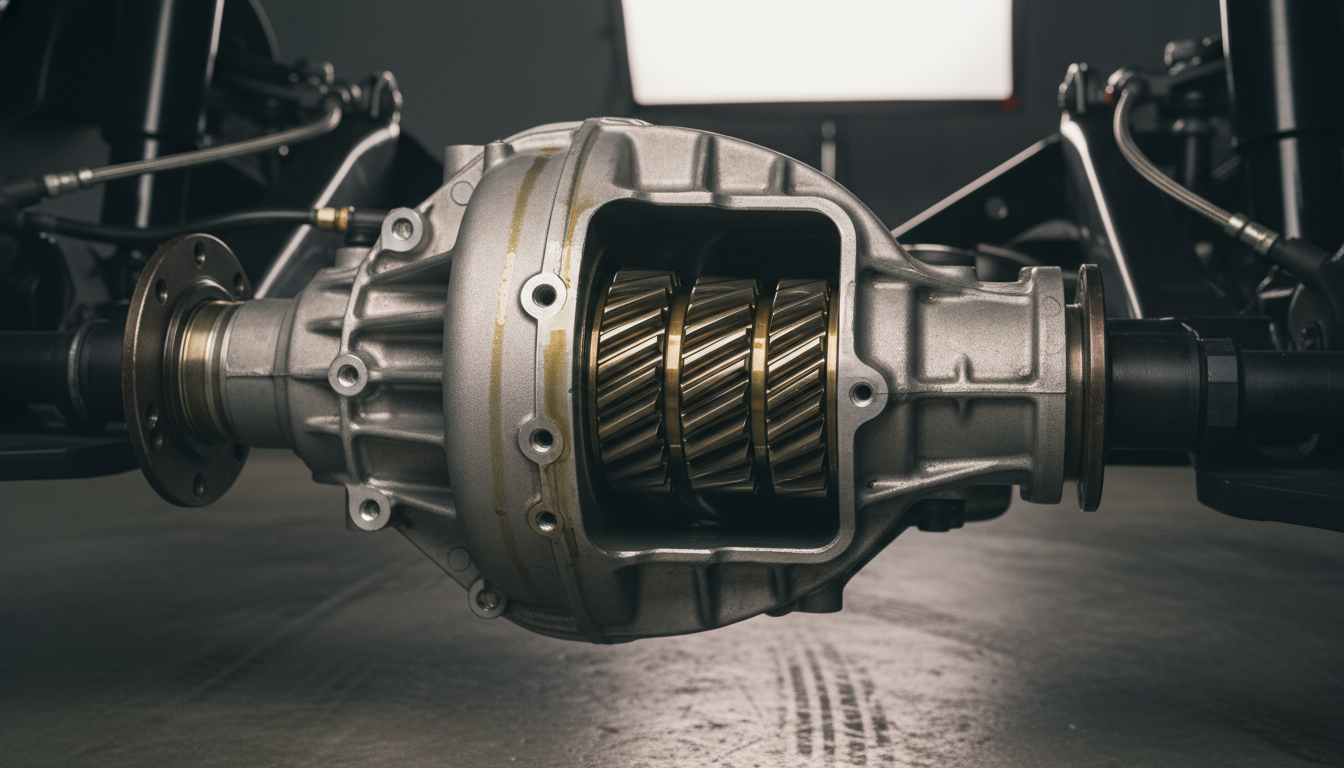
Hyundai has been one of the largest car manufacturers in India since entering the market in 1996. Several models are specific to or most significant in the Indian market.
Manuals cover BS4 and BS6 emission specifications, where applicable, as well as Indian-market-specific powertrain calibrations.
Hyundai Santro & Santro Xing Repair Manuals
The Santro (sold as the Atos in some markets) was Hyundai's first India-specific model and became one of the country's best-selling cars. The Santro Xing was the facelifted second iteration, produced from 2003 to 2014.
Workshop manuals cover the Epsilon engine, the AMT automated manual gearbox on later variants, and the simplified electrical architecture designed for Indian operating conditions.
|
Santro Variant |
Production |
Notes |
|
Atoz / Atos / Amica 1st Gen |
1997-2003 |
Global Atoz documentation; sold as Santro in India |
|
Atoz / Atos / Amica 2nd Gen |
2003-2008 |
Updated electrical; ABS option documentation |
|
Santro Xing |
2003-2014 |
India-specific Epsilon engine; AMT gearbox procedures |
Hyundai Verna Service Manuals
The Verna is a compact sedan sold primarily in India and South Korea. In India, it replaced the Accent and has been produced across multiple generations. Workshop manuals cover BS4 and BS6 diesel and petrol variants, the CRDI diesel system, and the market-specific electrical and infotainment configurations that differ from European Accent and Elantra documentation.
|
Verna Generation |
Series |
Coverage Notes |
|
Verna 1st Gen (LC-series) |
LC, 2006-2010 |
India-spec Accent base; diesel and petrol MPI |
|
Verna 2nd Gen (MC-series) |
MC, 2010-2017 |
CRDI diesel; updated instrument cluster wiring |
|
Verna (Fluidic and beyond) |
Various |
GDI petrol; BlueLink connectivity; BS6 documentation |
Hyundai Creta Service Manuals
The Creta is Hyundai's best-selling SUV in India and one of the most searched Hyundai models globally for repair documentation. It uses a dedicated emerging-market platform and is not the same vehicle as the European ix25 despite superficial similarities.
Manuals cover first and second generation variants, the turbocharged 1.4 and 1.5 GDI petrol engines, the 1.5 CRDi diesel, and the DCT dual-clutch transmission introduced in the second generation.
|
Creta Generation |
Key Powertrains |
Notes |
|
Creta 1st Generation |
1.6 Gamma petrol, 1.4/1.6 CRDi diesel |
FWD only; complete chassis and electrical documentation |
|
Creta 2nd Generation |
1.5 MPi petrol, 1.4 T-GDi, 1.5 CRDi |
FWD and AWD; DCT and IVT procedures; BS6 compliance |
|
Creta Electric |
Electric drivetrain |
HV battery, motor, OBC; safety de-energizing procedures |
Hyundai Venue Service Manuals
The Venue is a subcompact SUV launched in 2019 for India and select global markets. It introduced Hyundai's first connected car technology (BlueLink) to the Indian market and uses a turbocharged 1.0 T-GDi engine alongside MPI and CRDi options.
Workshop manuals include the BlueLink TCU (Telematics Control Unit) wiring documentation and the DCT procedures specific to this platform.
Hyundai Alcazar Workshop Manual
The Alcazar is a three-row SUV based on the Creta platform, sold in India from 2021. It extends the Creta's floorpan to accommodate the third-row seating and revised rear suspension.
Workshop documentation addresses the extended body structure, the third-row seat mechanism, and the larger HVAC system required for the additional cabin volume.
Hyundai Aura & Exter Manuals
The Aura is a compact sedan derived from the Grand i10 Nios platform, launched in 2020. The Exter is a micro-SUV launched in 2023, positioned below the Venue. Both are India-specific models.
Workshop manuals cover the market-specific engine configurations and the CNG bi-fuel documentation for both models, which is a common fitment in the Indian market.
Hyundai Performance & Coupe Manuals
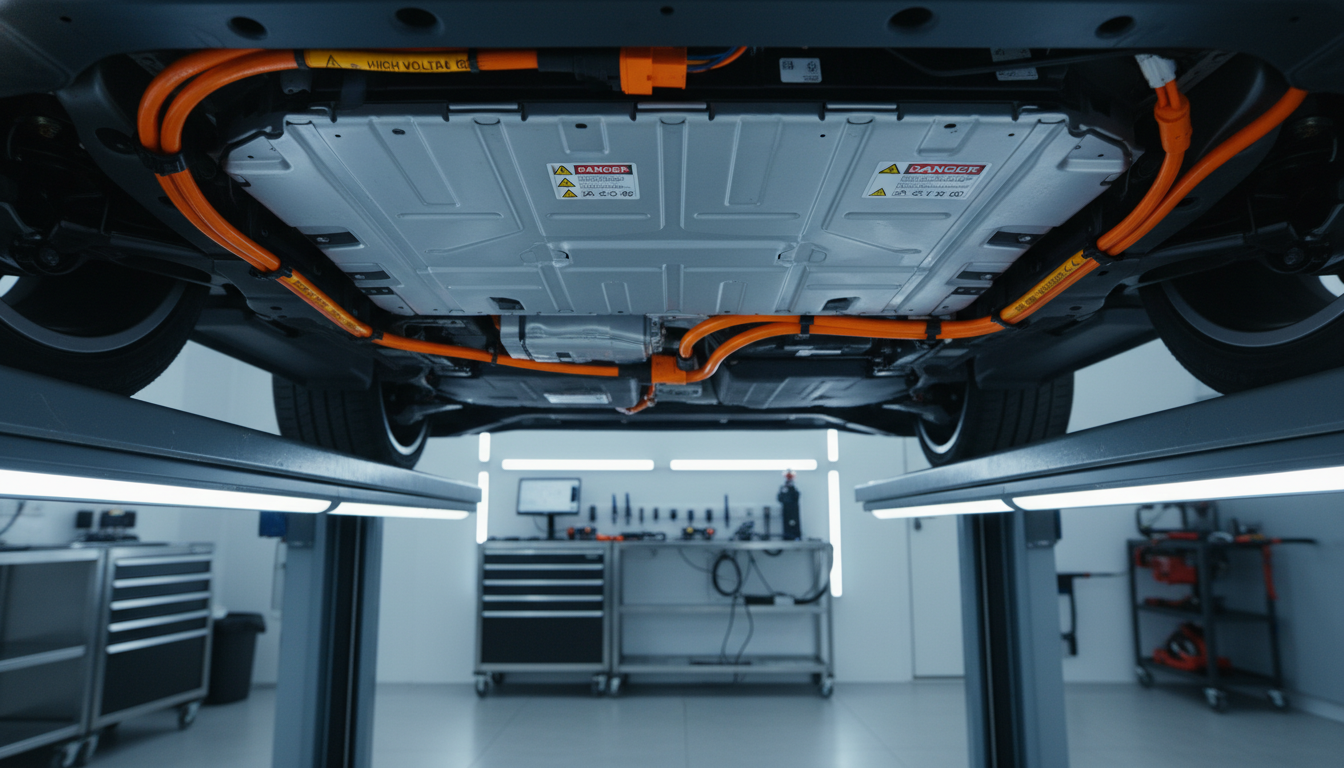
Hyundai's performance and coupe models represent a distinct documentation category, with unique chassis tuning, higher-output engine variants, and rear-wheel-drive platforms not found elsewhere in the range.
Hyundai Tiburon Workshop Manuals
The Tiburon sports coupe ran from 1996 to 2008 across two generations and was sold as the Tuscani in South Korea. The RC-series first generation and GK-series second generation are both fully covered.
The FX performance variant receives dedicated documentation for the uprated suspension, larger braking system, and unique styling components.
|
Tiburon Variant |
Series |
Notes |
|
Tiburon 1st Gen (RC-series) |
RC, 1996-2001 |
FWD coupe; complete chassis and electrical; import documentation |
|
Tiburon 2nd Gen (GK-series) |
GK, 2002-2008 |
Stiffer body structure; V6 option; 5-speed automatic docs |
|
Tiburon FX |
FX trim, GK-series |
Performance package; uprated brakes and suspension calibration |
|
Tuscani (GK-series) |
Korean market name |
Same documentation as GK Tiburon; Korean-spec trim differences |
Hyundai Veloster Service Manuals
The Veloster is a three-door coupe with an asymmetric door layout unique in the automotive industry. The first generation ran from 2011 to 2017; the second, from 2018 onward.
The Veloster N performance variant introduced a 2.0-liter turbocharged engine, an electronically controlled LSD, and a revised suspension geometry, each with its own complete documentation set.
|
Veloster Variant |
Generation |
Key Coverage |
|
Veloster 1st Generation |
FS-series, 2011-2017 |
1.6 GDI and 1.6 T-GDi; asymmetric door mechanism docs |
|
Veloster 2nd Generation |
JS-series, 2018-2022 |
Updated 1.6 T-GDi; revised suspension and body structure |
|
Veloster N |
N performance variant |
2.0 T-GDi; e-LSD; variable exhaust; N-specific ECU wiring |
Hyundai Genesis Coupe Repair Manuals
The Genesis Coupe was Hyundai's first rear-wheel-drive sports car, produced from 2009 to 2016. It used a 2.0-liter turbocharged four-cylinder engine or a 3.8-liter V6 and is highly regarded among tuners and enthusiasts.
Workshop manuals cover both engine variants, the rear limited-slip differential, the manual and automatic transmission procedures, and the track-focused suspension alignment specifications.
|
Genesis Coupe Variant |
Engine |
Notes |
|
Genesis Coupe 2.0T |
2.0 Theta II Turbo |
Full RWD coupe documentation; manual and 8-speed auto |
|
Genesis Coupe 3.8 |
3.8 Lambda V6 |
V6 accessory documentation; Brembo brake system procedures |
|
Genesis Coupe (import) |
Both engine options |
Import-specific trim and compliance documentation |
Hyundai S-Coupe / Scoupe Manuals
The Scoupe was Hyundai's first dedicated sports car, produced from 1990 to 1995. It used a front-wheel-drive layout with a turbocharged option.
Workshop documentation covers the 1.5 SOHC petrol engine, the turbocharged variant, and the early ABS system, which was optional on later models. These manuals are primarily of value for restoration and classic car maintenance.
Hyundai SUV & 4WD Workshop Manuals
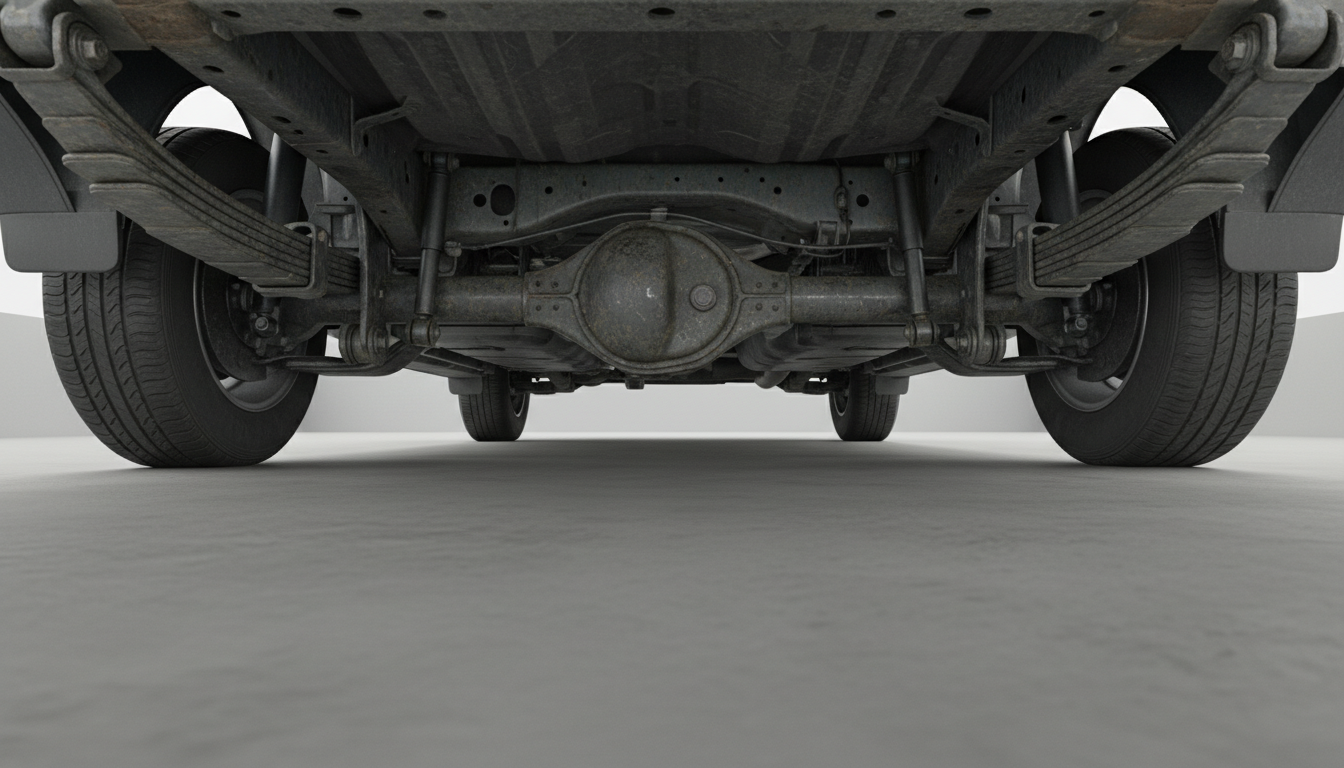
Hyundai's SUV range spans from the compact Venue and Kona through to the full-size Palisade and Veracruz. All AWD and 4WD systems are documented with drive-config-specific service procedures.
Hyundai Kona Service Manuals
The Kona is a subcompact SUV that has been sold since 2017 and is available in petrol, diesel, and all-electric variants. The Kona Electric gets mandatory high-voltage safety documentation including battery de-energizing procedures, inverter service, and the on-board charger system. FWD and AWD variants are documented separately for the coupling unit procedures.
|
Kona Variant |
Drivetrain |
Key Coverage |
|
Kona FWD (Petrol/Diesel) |
FWD |
Full chassis, electrical, HVAC documentation |
|
Kona AWD (Petrol/Diesel) |
AWD |
Rear coupling unit, AWD ECU, drive mode system |
|
Kona Electric (1st Gen) |
Electric, FWD |
HV battery, inverter, OBC, regen braking procedures |
|
Kona Electric (2nd Gen) |
Electric, AWD option |
Updated HV architecture; dual-motor AWD variant procedures |
Hyundai Ioniq Hybrid & Electric Manuals
The Ioniq was Hyundai's dedicated electrified vehicle, offered in hybrid, plug-in hybrid, and all-electric variants, all of which were built on the same platform. High-voltage safety documentation is mandatory reading before any work on these vehicles.
Manuals include HV battery replacement procedures, inverter and motor service, the bidirectional DC-DC converter, and the regenerative braking calibration.
|
Ioniq Variant |
Powertrain |
HV Documentation Included |
|
Ioniq Hybrid |
1.6 GDI + electric motor |
Hybrid battery, inverter, 12V DC-DC converter |
|
Ioniq Plug-in Hybrid |
1.6 GDI + larger battery |
Charge port, EVSE compatibility, HV safety procedures |
|
Ioniq Electric |
136hp electric motor |
Full EV HV system; battery, motor, OBC, regen braking |
|
Ioniq 5 |
E-GMP platform |
800V architecture; ultra-fast charging; V2L system documentation |
Hyundai Terracan Workshop Manuals
The Terracan was Hyundai's body-on-frame SUV, produced from 2001 to 2007. It used a live rear axle and a proper part-time 4WD transfer case, making it one of the more mechanically traditional Hyundais.
Workshop manuals cover the 2.5- and 2.9-CRDi diesel engines (accessory documentation), transfer case and front axle service, and full-size body-on-frame chassis procedures.
Hyundai Galloper Workshop Manual
The Galloper II was a licensed derivative of the Mitsubishi Pajero, produced by Hyundai from 1991 to 2003. Because of its Mitsubishi platform origin, its service documentation addresses both Hyundai-specific electrical and trim components and Pajero-derived mechanical systems.
Manuals cover the 3.0 V6 petrol and 2.5 turbodiesel engine accessories, the part-time 4WD system, and the leaf-spring rear suspension.
Hyundai Veracruz Service Manuals
The Veracruz was a large unibody SUV sold from 2007 to 2012, positioned above the Santa Fe. It used the 3.0 CRDi V6 diesel or 3.8 Lambda V6 petrol and was sold in FWD and AWD configurations.
Workshop manuals cover the HTRAC AWD coupling system, the complex multi-link rear suspension, and the full range of electronic safety systems fitted to this luxury-oriented model.
|
Veracruz Variant |
Drive Config |
Notes |
|
Veracruz FWD |
Front-wheel drive |
Full chassis, electrical, HVAC documentation |
|
Veracruz AWD |
All-wheel drive |
HTRAC coupling, rear axle, AWD ECU; V6 accessory docs |
|
Veracruz (import) |
Both configs |
Import-specific compliance and trim documentation |
Hyundai Palisade Workshop Manuals
The Palisade is Hyundai's three-row flagship SUV, launched in 2018. It uses the 3.8 Lambda V6 petrol engine or the 2.2 CRDi diesel engine and is available with FWD or HTRAC AWD.
Workshop documentation covers the third-row seat mechanisms, the Digital Key system wiring, and the comprehensive ADAS suite including Blind-spot View Monitor and Highway Driving Assist calibration procedures.
Hyundai Van & Commercial Vehicle Manuals
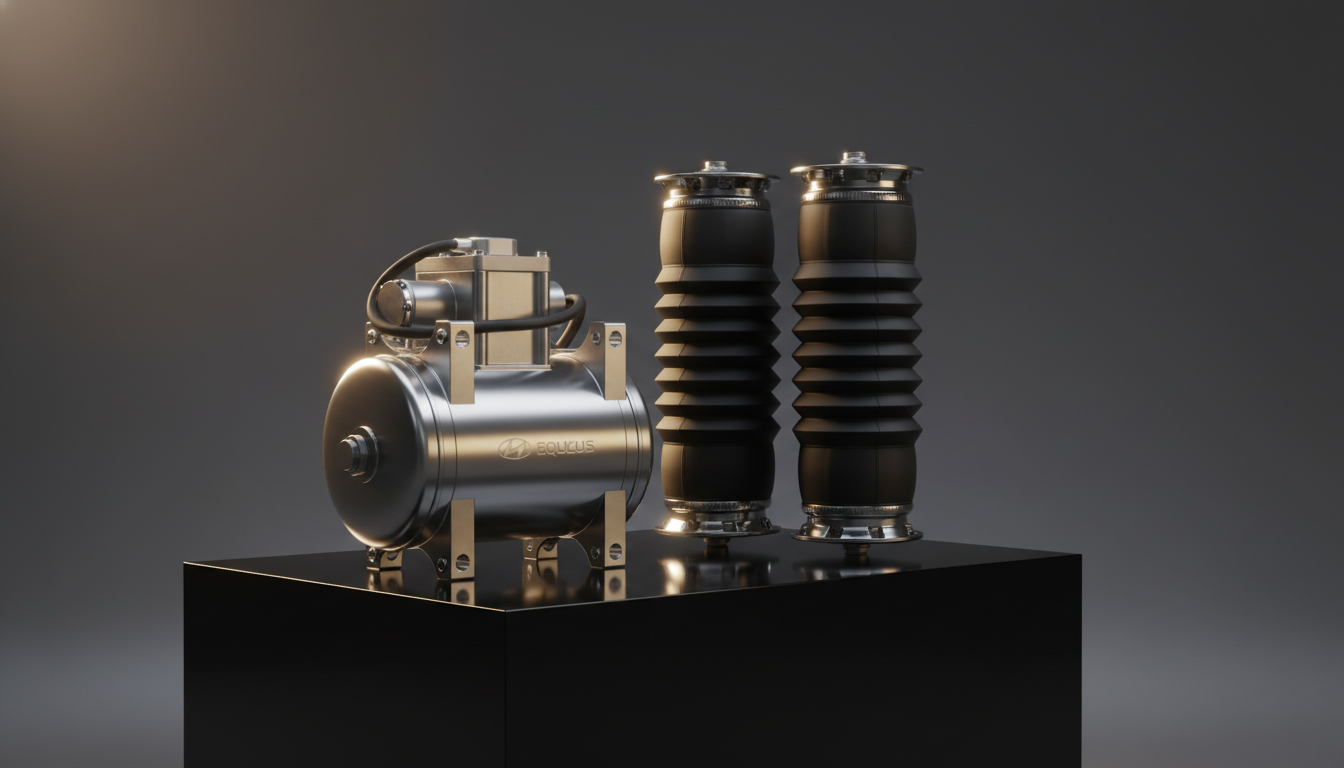
Hyundai's van and commercial range serves both passenger transport and light commercial markets across Asia, Europe, and Africa.
Hyundai H-1 / Starex Workshop Manuals
The H-1 (sold as the Starex in South Korea and the i800 in Europe) is Hyundai's large van, available in passenger minibus, cargo van, and ambulance configurations. Two generations are documented: the first-generation Starex-Satellite-H1 and the second-generation Starex-H1-i800. Manuals cover the sliding door systems, the multi-zone climate control on passenger variants, and the CRDi diesel powertrain accessories.
|
H-1 / Starex Generation |
Market Names |
Configuration |
|
1st Gen Starex / H-1 |
Starex, H-1, Satellite |
Cargo, passenger, ambulance body documentation |
|
2nd Gen Starex / H-1 / i800 |
H-1, i800, Starex |
Updated sliding door, ESC wiring, Euro 4/5 diesel |
|
Grand Starex |
Grand Starex |
Extended length; third row and comfort trim procedures |
Hyundai Porter Workshop Manual
The Porter is a light commercial cab-over pickup and van sold primarily in South Korea and select Asian markets. Workshop documentation covers the diesel powertrain accessories, the cab-over body structure, and the payload-rated chassis specifications. The Porter 2 generation introduced a CRDi diesel and updated electrical systems.
Hyundai Trajet Service Manual
The Trajet was a seven-seat MPV produced from 1999 to 2008 and sold in European and Asian markets. Workshop manuals cover the front-wheel-drive platform, the sliding rear door mechanism, second and third-row seating systems, and the full HVAC documentation for the multi-zone climate control fitted to higher-spec variants.
Hyundai Entourage Van Manual
The Entourage was a minivan sold in the North American market from 2007 to 2009, based on the Kia Carnival/Sedona platform. Documentation covers the North American-specification powertrain and electrical systems. Import-specific documentation is provided separately where compliance differences affect service procedures.
Hyundai Santamo & Matrix Manuals
The Santamo was a compact MPV based on the Mitsubishi RVR platform, sold in selected markets from 1995 to 2002. The Matrix was a purpose-built small MPV based on the Elantra platform, sold from 2001 to 2010. Both have full documentation covering their compact MPV-specific sliding-door or tailgate mechanisms, multi-configuration seating, and petrol- and diesel-engine accessories.
Hyundai Executive & Flagship Car Manuals
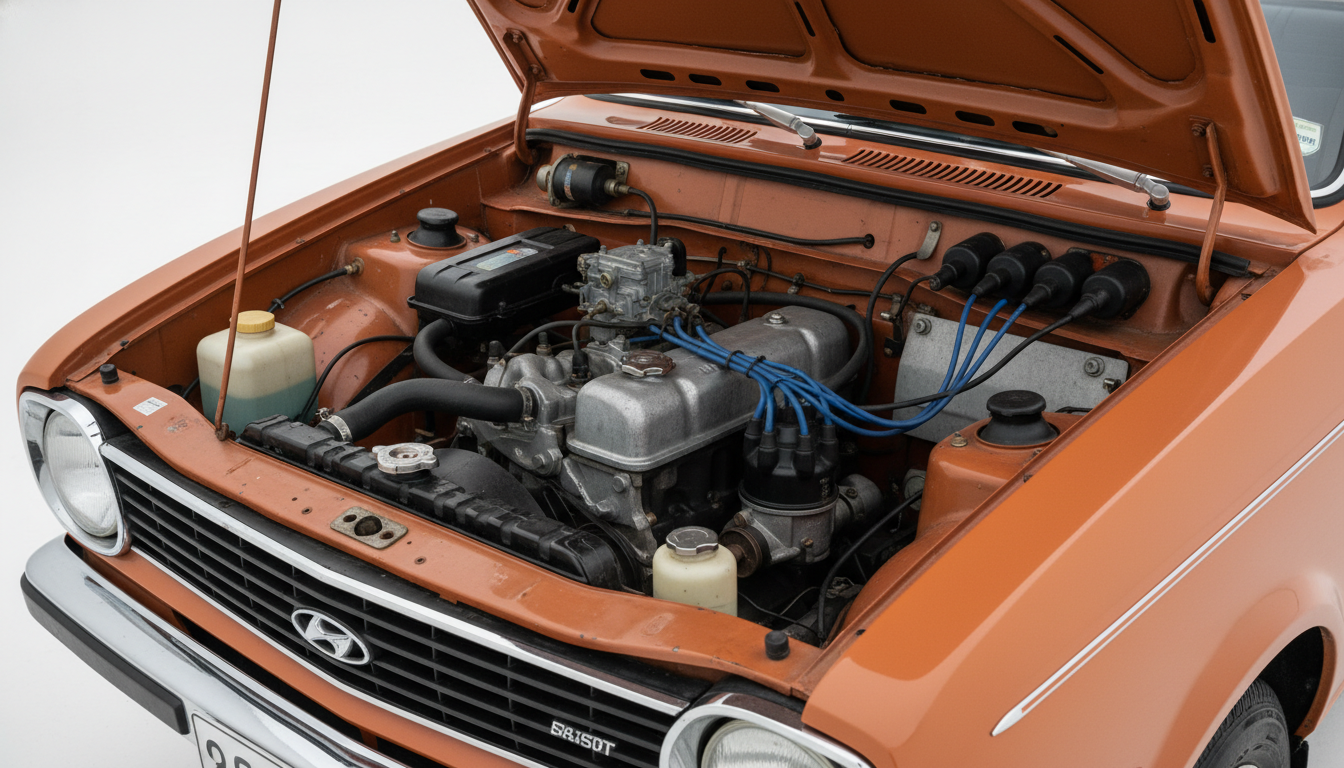
Hyundai's flagship and executive models represent the top of the range, including the Genesis brand's predecessor models and the long-running Grandeur.
Hyundai Grandeur Workshop Manuals
The Grandeur is Hyundai's Korean-market flagship saloon, sold continuously since 1986 across five generations. The Grandeur XG was the first generation sold internationally. The HG and TG generations introduced V6 GDI engines, air suspension options, and comprehensive electronic safety systems.
All four generations in the NXT Motors library are documented separately given the significant platform differences.
|
Grandeur Generation |
Series |
Notes |
|
Grandeur 1st Generation |
L-series |
Body-on-frame; Mitsubishi V6; classic executive documentation |
|
Grandeur 2nd Generation |
Y3-series |
Unibody transition; Lambda V6 accessories |
|
Grandeur TG |
TG-series |
Lambda 2.7/3.3 V6; updated electronics and air suspension option |
|
Grandeur HG |
HG-series |
GDI petrol; full-LED lighting wiring; ADAS references |
|
Grandeur XG / XG300 / XG350 |
XG-series |
Export market variant; fully separate international documentation |
Hyundai Genesis Sedan Manuals
The Genesis Sedan (BH-series) was sold from 2008 to 2016 before the Genesis brand was spun off as a separate marque. It used rear-wheel drive and was available with four-cylinder turbocharged, V6, and V8 engines.
Workshop manuals cover domestic and import variants, the rear-wheel-drive platform procedures, the available AWD system on later models, and the advanced electronic systems that previewed the separate Genesis brand.
|
Genesis Sedan Variant |
Drive Config |
Notes |
|
Genesis Sedan 1st Gen (BH) |
RWD |
3.8 Lambda V6 and 4.6 Tau V8; complete chassis documentation |
|
Genesis Sedan (import) |
RWD / AWD |
Import-spec trim; compliance and electrical differences |
Hyundai Equus & Azera Workshop Manuals
The Equus (Centennial) is Hyundai's ultra-premium flagship, available in two generations. The Equus-Centennial first generation used a Mitsubishi V8; the second generation used Hyundai's own 4.6 and 5.0 Tau V8.
Workshop manuals cover the air suspension, rear-seat entertainment systems, and the complex adaptive cruise and lane-keeping systems fitted as standard. The Azera (sold as the Grandeur in Korea) is documented in both first and second generation for export markets.
Hyundai Marcia, Dynasty & Sonica
The Marcia, Dynasty, and Sonica were Korean-market models sold in the late 1990s and early 2000s. The Marcia and Dynasty used luxury equipment levels for the era, including heated and ventilated seating, multi-speaker audio, and early navigation systems.
Workshop documentation covers the platform-specific chassis procedures and the Korean-market electrical systems for these now-vintage vehicles.
Hyundai Classic & Heritage Workshop Manuals

Hyundai's earliest production cars are historically significant as the foundation of one of the world's major automotive groups. These manuals are primarily for restoration, classic car owners, and automotive historians.
Hyundai Pony Workshop Manuals
The Pony was South Korea's first domestically designed passenger car, launched in 1975 with styling by Giorgetto Giugiaro and engineering input from Mitsubishi. Four generations are documented, including the Pony Sedan sold in Canada.
Workshop manuals cover the Mitsubishi-derived 1.2 and 1.4 SOHC engine accessories, the live rear axle, and the simple electrical systems appropriate to the era.
|
Pony Generation |
Notes |
|
Pony 1st Generation |
1975-1982; Giugiaro styling; Mitsubishi powertrain accessories |
|
Pony 2nd Generation (X1-series) |
Revised bodywork; export market documentation |
|
Pony 3rd Generation (X2-series) |
Updated 1.5 engine; improved electrical documentation |
|
Pony 4th Generation (X3-series) |
Final Pony generation; precursor to Excel platform |
|
Pony Sedan (Canada) |
Canadian-market spec; unique compliance documentation |
Hyundai Excel Workshop Manuals
The Excel (Pony X3 in some markets) was Hyundai's first major international success, selling over a million units in North America alone from 1986. Two generations are covered, including the import documentation for the North American market.
Workshop manuals cover the Alpha SOHC engine, accessories, the five-speed manual gearbox, and the early fuel-injection system introduced on the second generation.
|
Excel Generation |
Notes |
|
Excel 1st Gen (X1-series) |
Import documentation; early Alpha SOHC engine |
|
Excel 2nd Gen (X2-series) |
Fuel injection introduction; updated electrical; import docs |
Hyundai Stellar & Lavita
The Stellar was a rear-wheel-drive saloon sold from 1983 to 1996, representing Hyundai's transition period from Mitsubishi-based vehicles to its own engineering. Workshop manuals address the rear-wheel-drive platform, the Mitsubishi-derived engine accessories, and the era's simple electrical systems.
The Lavita was a small MPV produced from 2001 to 2010, based on the Elantra XD platform and featuring a multi-configuration rear seat system.
Hyundai Tagaz Market Models
TagAZ (Taganrog Automobile Plant) assembled Hyundai vehicles in Russia under license from 2001 to 2012, producing variants that sometimes diverged from the standard Korean-market specification.
Tagged Tagaz variants of the Accent and Sonata are documented separately where specification differences affect service procedures.
These include different fuel system calibrations, modified cooling system setups for Russian winters, and Russian-specification electrical components.
Hyundai Concept & Prototype Models
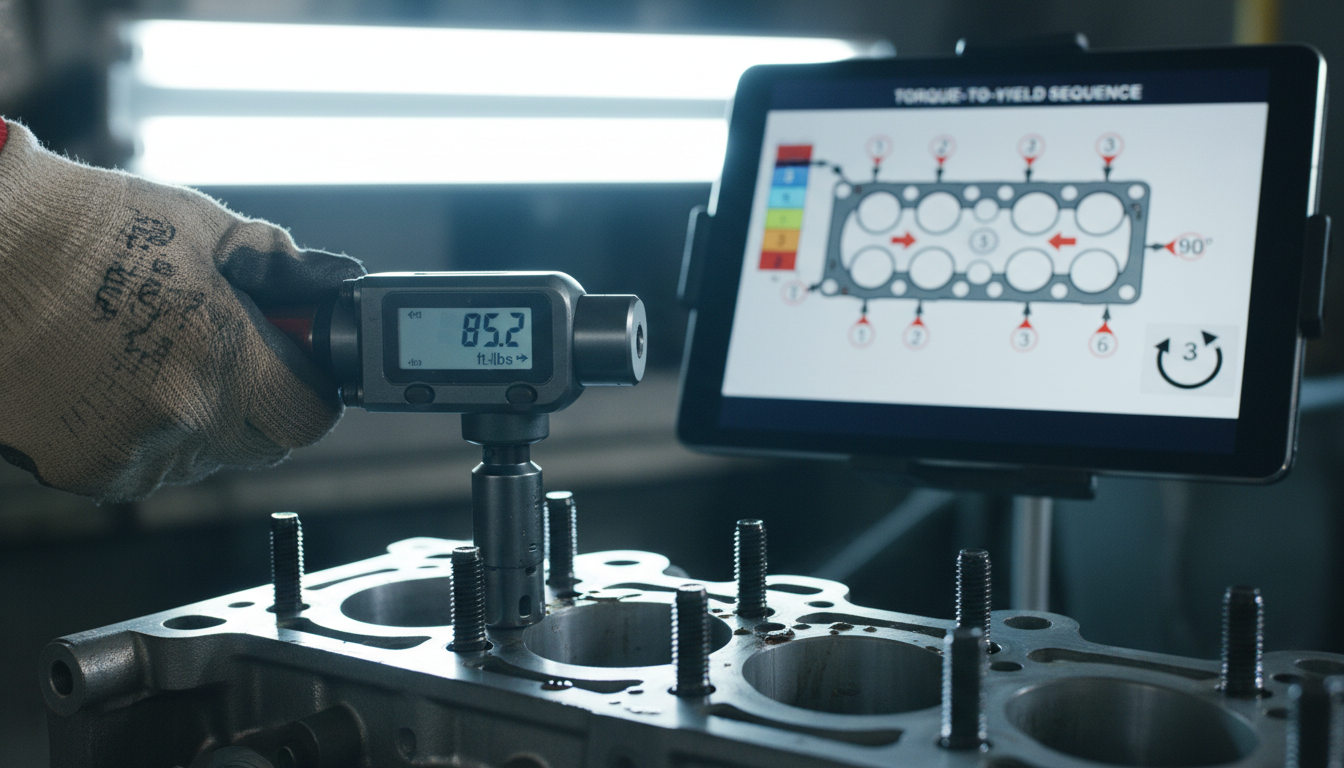
The NXT Motors library includes reference documentation for several Hyundai concept and prototype vehicles of historical and engineering significance.
HED-1 Concept & Portico Concept
The HED-1 (Hyundai European Design) concept from 2006 previewed the design language that would become the i30 and Veloster. The Portico Concept explored tall-ride-height architecture.
These documents are technical reference records rather than service manuals, providing insight into the engineering decisions that fed into subsequent production models.
Blue On Electric Concept
The Blue On was an early battery-electric vehicle concept from 2009, based on the i10 platform. It represents an important step in Hyundai's electrification timeline and predates the production Ioniq and Kona Electric models by almost a decade.
Documentation covers the prototype battery and motor system as tested in pre-production form.
Complete Hyundai Model Coverage at NXT Motors
The table below confirms every Hyundai model and generation available in the NXT Motors workshop manual library.
|
Category |
Models Covered |
Generation / Config Notes |
|
Entry-Level Compact |
Accent (all gens), Excel, Pony (all gens), Verna |
X1 through RB-series; import and domestic; Tagaz variants |
|
Compact Sedan / Hatch |
Elantra (all gens), Avante, Lantra, Elantra GT/Touring |
J1 through MD-series; coupe, wagon, GT body styles |
|
Mid-Size Sedan |
Sonata (2nd-6th gen), Azera (1st/2nd gen) |
Y2 through YF-series; GL/GLS/LX; Tagaz Transform/Embrera |
|
Executive / Flagship |
Grandeur (all gens), Genesis Sedan, Equus (both gens) |
XG through HG; RWD Genesis BH; V8 Equus Centennial |
|
Sports Coupe |
Tiburon/Tuscani (both gens), Genesis Coupe, Veloster, S-Coupe |
RC and GK Tiburon; RWD Genesis; FX and N variants |
|
City Cars |
i10 (both gens), Santro/Xing, Atoz/Atos, Getz/Click |
Epsilon/Kappa; India-spec AMT; European versions |
|
Superminis |
i20 (all gens), Excel, Accent hatchback |
PB/GB/BC3-series; European and Indian variants |
|
Compact Hatchbacks |
i30 (both gens), i30cw, Elantra GT, Lantra |
FD and GD-series; N performance variant |
|
D-Segment |
i40 (saloon/wagon) |
European market; GDI and CRDi |
|
Crossovers |
ix20, ix35, ix55, Venue, Creta (both gens) |
ix35 = Tucson 2nd gen; Creta FWD/AWD; Venue BlueLink |
|
Compact SUV |
Tucson (all gens), Kona (petrol/EV) |
JM/iX/3rd gen; HTRAC AWD; Kona Electric HV docs |
|
Mid-Size SUV |
Santa Fe (all gens), Santa Fe Sport, Grand Santa Fe |
FWD/AWD split; Sport and LWB variants |
|
Large SUV |
Veracruz, Terracan, Palisade, Galloper II |
HTRAC and part-time 4WD; V6/CRDi; body-on-frame |
|
Electrified |
Ioniq (HEV/PHEV/EV), Ioniq 5, Kona Electric |
E-GMP platform; 800V Ioniq 5; HV safety mandatory |
|
Vans / MPVs |
H-1/Starex (both gens), Porter, Trajet, Entourage, Matrix |
Passenger and cargo; sliding door; Grand Starex |
|
India Market |
Santro Xing, Verna, Creta, Venue, Alcazar, Aura, Exter |
BS4/BS6; CNG bi-fuel; DCT and IVT procedures |
|
Classic / Heritage |
Pony (all gens), Stellar, Excel, Scoupe, Marcia, Dynasty |
Mitsubishi-derived platforms; restoration documentation |
|
Korean Market Specific |
Avante, Grandeur TG/HG, Sonata Embrera/Transform |
Korean-spec electrical; Tagaz variants documented separately |
|
Concept / Prototype |
HED-1, Portico Concept, Blue On Electric |
Technical reference documentation |
What Every NXT Motors Hyundai Manual Includes
Every Hyundai workshop manual in the NXT Motors library is built to the same documentation standard across all systems.
•
Wiring Diagrams and Electrical Schematics – Complete circuit diagrams including ECU, TCM, ABS, SRS, and CAN bus wiring. Fuse box diagrams with relay locations for every fuse panel in the vehicle.
•
Torque Specifications – Factory torque values in Nm and lb-ft for all fasteners, with tightening sequences and torque-to-yield bolt identification where applicable.
•
Fluid Capacities and Hyundai-Approved Fluids – Correct fill volumes and Hyundai fluid specifications for engine oil, transmission, differential, transfer case, coolant, and brake system.
•
OBD2 Diagnostic Trouble Codes – Hyundai-specific fault code tables including P, B, C, and U codes with fault isolation flowcharts for each system.
•
Removal and Installation Procedures – Step-by-step R&I for all major assemblies with exploded-view diagrams for suspension, braking, HVAC, body panels, and electrical components.
•
Engine System References – Torque specs, timing procedures, and accessory installation for CRDI, GDI, MPI, CVVT, and DOHC systems. Full rebuild documentation lives in the dedicated engine category.
•
ADAS and Safety System Calibration – Where applicable, radar and camera recalibration references for models equipped with Forward Collision-Avoidance Assist, Lane Keeping Assist, and Blind-spot Collision Warning.
•
High-Voltage Safety Procedures – All hybrid and electric models include mandatory HV de-energizing steps, minimum wait times after disconnect, and PPE requirements before work near battery or inverter components.
Common Asked Questions About the Hyundai Workshop Manual
Are the domestic Korean and export-import models documented separately?
Yes. Where Korean domestic-market and export variants differ in specification, NXT Motors provides separate documentation. This most commonly affects the Accent, Elantra, Sonata, Santa Fe, and Genesis models, in which fuel system calibration, electrical architecture, and safety equipment vary by market.
Do the manuals cover CRDI and GDI engine systems?
Vehicle-level documentation includes procedures for interacting with the CRDI and GDI systems: fuel rail pressure references for fault diagnosis, injector removal and installation, and fuel system priming.
Full CRDI and GDI engine rebuild documentation, including injector flow testing and pump calibration, is organized in the dedicated engine category by Hyundai engine code.
Are Hyundai i-series manuals specific to European specification?
Yes. The i10, i20, i30, i40, ix20, ix35, and ix55 manuals in this category reflect European-specification vehicles with Euro emissions compliance, European lighting and safety requirements, and European infotainment wiring.
Indian-market i10 variants are documented separately given the different engine options and electrical configurations.
Are Tagaz-produced Russian-market variants separate from standard models?
Yes. Tagaz assembled variants of the Accent and Sonata in Russia under license and sometimes fitted locally sourced components that differ from Korean-built equivalents. The Accent Tagaz, Sonata Tagaz Transform, and Sonata Embrera are documented separately where specification differences require distinct service procedures.
Do Ioniq and Kona Electric manuals cover high-voltage safety?
Every hybrid and electric Hyundai manual opens with a mandatory high-voltage safety chapter before any other content. This covers the vehicle-specific HV de-energizing sequence, the minimum wait time after disconnect (typically 10 minutes for the Ioniq and 30 minutes for the Ioniq 5 due to the 800V architecture), and the insulated glove and PPE requirements. These steps must be followed before any work near the battery, inverter, or motor.
Is the Galloper documented as a Mitsubishi Pajero?
No. The Galloper II manual addresses the Hyundai-specific electrical and trim systems rather than reproducing Mitsubishi documentation.
However, where the Galloper uses Mitsubishi-origin drivetrain components unchanged (such as the transfer case internals), the documentation references the Pajero-derived architecture so technicians understand the system origin.
Full rebuild procedures for the Mitsubishi-derived components are cross-referenced to the engine category.
Are engine and transmission rebuild specs in these manuals?
Torque specs and fluid capacities for engine and transmission components are included in the vehicle-level manuals.
Full powertrain rebuild documentation lives in the dedicated engine and transmission categories on NXT Motors, organized by Hyundai engine family code (Alpha, Beta, Gamma, Delta, Kappa, Nu, Lambda, Theta, Tau, Smartstream, etc.).
Browse the full Hyundai collection at NXT Motors or use the model search to find your specific vehicle manual instantly.